When you click on links to various merchants on this site and make a purchase, this can result in this site earning a commission. Affiliate programs and affiliations include, but are not limited to, the eBay Partner Network.
First time changing valve cover gaskets and installing correct PCV valve
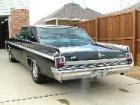
1964 Starfire. I am about to change the valve cover gaskets and new belts, and instal correct PCV valve. I have every thing but the hose and means to connect the hose to the air cleaner. Looking for advice on making my own connection. Also looking for what I need to disconnect and not disconnect, mainly concerning the alternator, AC, and power steering.
ac area is especially dreadful.
Last edited by Hillbilllystarfire; Nov 11, 2020 at 10:44 AM.
Reason: Missing information
Valve cover gaskets are easy to change, the hard part is getting to them. Remove the ac compressor and swing it out of the way. Do not open refrigerant lines. Same with the power steering. I’m assuming any 3/8 vacuum line to a manifold vacuum port will work fine for your pcv.
I’ve got the original valve and grommet for valve cover. What would someone use to make the pipe or hose from the valve to air breather. Air breather already has a hole that’s almost an inch in diameter.
You could try bending some thin wall conduit, and try and try again, but your best bet is finding someone parting a 4-barrel 64 big car. Get the tube, the rubber connector from tube to PCV valve, and the spring clamps.
The pics in your original thread showed a blocked off threaded port on back of the carb throttle body. A simpler and more efficient way to do PCV on this car is to use a modern PCV valve and route it to that port. Brass fittings and rubber PCV hose are a lot easier to find than one-year-only air tubes. And would be pretty much the way the factory did California PCV. Then find a rubber or plastic plug for the hole in air cleaner snout.
Here's a trick I've learned on the 64 shop books. If you can't find it in the big car sections, look in the Cutlass section. Sometimes the illustrations are better there.
Last edited by rocketraider; Nov 12, 2020 at 09:00 AM.
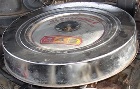
I have a somewhat modern one and an original one PCV valve that is. I have found a way to make one using a small radiator hose. I have a chrome air cleaner that is blocked off already, but it doesn’t look as good in this car as the one that’s in the picture. Would one have an advantage over the other?
The original flapper type valve that relies on airflow to function doesn't scavenge as well as the modern one that is under manifold vacuum at all times. Unless you're going for 100% correct restoration I think adapting the modern valve is the way to go.
Both my 64s still have their flappers but Olds offered parts to convert pre-65 engines to full vacuum PCV. So I consider that an acceptable modification.
got everything back together. Took out the old drag pipe and put in one of the original PCV valve to air cleaner. Everything seems to be doing pretty good, I’ve been driving it about everyday to work. I been going back over the valve cover bolts to check for looseness. I’ve been able to tighten them a little, but I’m not thinking I see new oil leaking. My only question about the valve covers is the one bolt on the drivers side that is hidden by the power steering mounting bracket. It is the only bolt I can’t get to without taking the bracket off. Is there some magic tool that can slide up in there to tighten that? Other than that, I feel like I am on to her next project. Always open to suggestions or advice.
The rubber used for manufacturing radiator hoses will not hold up. That was one of my first mistakes . The hose will eventually bloat and have a slimy feel to it . Any rubber coming into contact with oil and its related fumes needs to be made from neoprene rubber
got everything back together. Took out the old drag pipe and put in one of the original PCV valve to air cleaner. Everything seems to be doing pretty good, I’ve been driving it about everyday to work. I been going back over the valve cover bolts to check for looseness. I’ve been able to tighten them a little, but I’m not thinking I see new oil leaking. My only question about the valve covers is the one bolt on the drivers side that is hidden by the power steering mounting bracket. It is the only bolt I can’t get to without taking the bracket off. Is there some magic tool that can slide up in there to tighten that? Other than that, I feel like I am on to her next project. Always open to suggestions or advice.
Quit trying to cheat. If the bracket needs to come off, it needs to come off. Take the time to do it right, because you will want to torque those bolts, putting the valve cover straight down, with your new gaskets.
Quit trying to cheat. If the bracket needs to come off, it needs to come off. Take the time to do it right, because you will want to torque those bolts, putting the valve cover straight down, with your new gaskets.
we can’t cheat now can we. As of now after getting the valve cover gaskets on, I tightened everything cross cross, put new belts on. Drove a few days and retightened the valve covers, including removing the ps bracket. It’s likely with the cold weather and possible snow that I won’t get to drive her as much. But I’m hoping to get her out for a Sunday drive tomorrow. How often should I check the valve cover bolts? I guess on average.
They shouldn't need further retightening, if done right. More importantly, cork needs to be kept wet. That's why that's a prefered material for sealing transmission pans. I've still got the original pan gasket on my almost twenty-four year old car and it's as dry as a bone. That means, you can't let the engine sit too long without it running periodically. If you've sealed the covers with silicone, you need neither worry about leaking due to infrequent engine-running or proper torque
The rubber used for manufacturing radiator hoses will not hold up. That was one of my first mistakes . The hose will eventually bloat and have a slimy feel to it . Any rubber coming into contact with oil and its related fumes needs to be made from neoprene rubber
I would suppose, at a quality parts store, if they're still around. It's been over 45 years, since I went out and bought one. If I remember right, it used to be sold by the foot
Yep, I originally bought one of those universal hoses, and it's been fine on my 64 Starfire. I recently bought the repop upper hose from Fusick, but have yet to install. Before you buy anything from the local parts store that is a "universal", check Fusick. I joined this forum after starting my project of getting my car back on the road, so I wasn't aware that there some of these items could still be purchased.



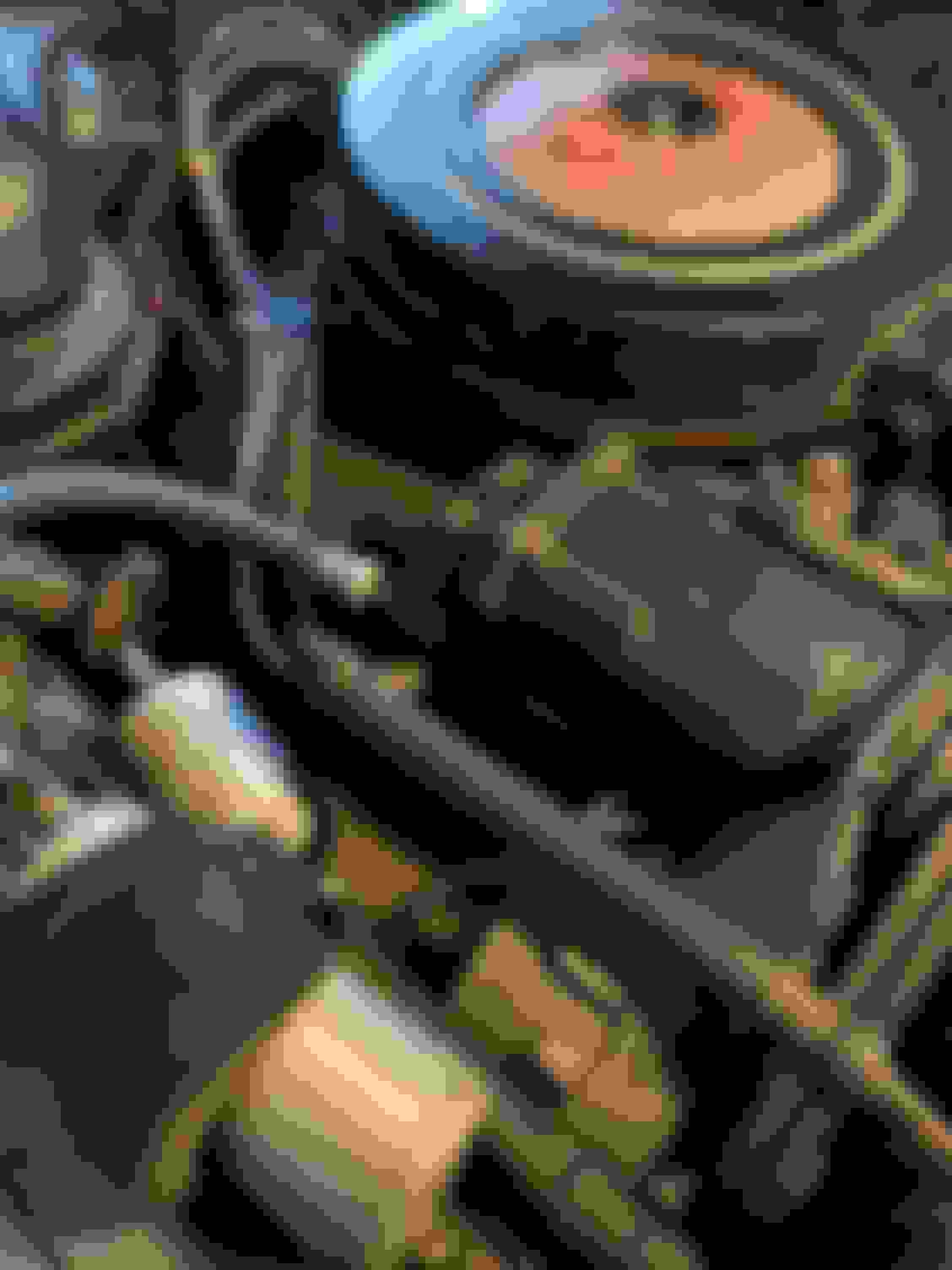











 . The hose will eventually bloat and have a slimy feel to it
  . Any rubber coming into contact with oil and its related fumes needs to be made from neoprene rubber