


transmission temperature gauge install


Registered User
Joined: Jan 2010
Posts: 6,105
From: central Indiana
Measure twice, drill once. Pull the pan off, make sure your desired sending unit location doesn’t interfere with anything inside the trans. Make sure you position it between pan bolts. I have seen sending units installed right below a pan bolt, making removal difficult. Wiring is pretty simple, make sure it’s properly fused, and the wiring is protected from heat and moving parts.


Administrator
Joined: Oct 2009
Posts: 42,496
From: Poteau, Ok

Moderator
Joined: Jul 2007
Posts: 18,225
From: Edmond, OK
FWIW, I've thought about installing a transmission temp gauge in my truck. I plan to tow with it in the future though.
If you buy one make sure it's full sweep. Auto Meter is the brand to buy. I have an Auto Meter pyrometer and coolant temp sensor in my truck. Plus, I have an Auto Meter tachometer that was in my 64 Oldsmobile 20+ years ago (it still works):
https://www.summitracing.com/search/...-color%3Ablack
Glowshift and ISSPRO are 2 alternatives that are better than HF or parts store cheapies:
https://www.glowshiftdirect.com/
https://www.isspro.com/
If you buy one make sure it's full sweep. Auto Meter is the brand to buy. I have an Auto Meter pyrometer and coolant temp sensor in my truck. Plus, I have an Auto Meter tachometer that was in my 64 Oldsmobile 20+ years ago (it still works):
https://www.summitracing.com/search/...-color%3Ablack
Glowshift and ISSPRO are 2 alternatives that are better than HF or parts store cheapies:
https://www.glowshiftdirect.com/
https://www.isspro.com/
Registered User
Joined: Jan 2010
Posts: 6,105
From: central Indiana
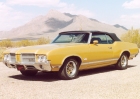
I have a trans temp gauge in my Olds, and my 06 Ram. I have no trans cooler on the Olds, the hottest I have ever seen it get is about 190. On the Ram, about 220. That was in 90* plus degree heat, with a trailer, traffic jam, A/C going, for about an hour. Once traffic cleared, the trans cooled back down to its normal 180.
Like every other gauge, within reason the actual numbers aren’t important. Once you know what the normal readings are, you know something isn’t right if the numbers suddenly become abnormal.

Registered User
Joined: Aug 2013
Posts: 12,798
From: Evansville, IN
Ok, I can think of:
1. Speedometer.
2. Tachometer.
3. Fuel (volume remaining)
4. Fuel Pressure
5. Oil Pressure
6. Oil Temp.
7. ATF Temp.
8. Voltmeter or Ammeter.
9. Clock.
10. Boost
11. A/F ratio
12. Engine vacuum (economy meter)
13. Ambient Temp
14. Engine Coolant Temp
15. Attitude
16. G-meter.
17. Compass.
18. Differential oil temp
19. Gear indicator.
That's 19. Dude up there has 33.
1. Speedometer.
2. Tachometer.
3. Fuel (volume remaining)
4. Fuel Pressure
5. Oil Pressure
6. Oil Temp.
7. ATF Temp.
8. Voltmeter or Ammeter.
9. Clock.
10. Boost
11. A/F ratio
12. Engine vacuum (economy meter)
13. Ambient Temp
14. Engine Coolant Temp
15. Attitude
16. G-meter.
17. Compass.
18. Differential oil temp
19. Gear indicator.
That's 19. Dude up there has 33.


Registered User
Joined: Aug 2018
Posts: 1,098
From: Utah
Most vital are engine temp, fuel level, voltage, oil pressure, tachometer, speedometer.
Second most important on modified/performance vehicles are trans temp & oil temp. Fuel pressure is also good to know if racing.
Second most important on modified/performance vehicles are trans temp & oil temp. Fuel pressure is also good to know if racing.
Registered User
Joined: Aug 2018
Posts: 1,098
From: Utah
I really like the SpeedHut gauges as they can fit into the factory pods. The OEM "idiot lights" are just that. Lights for idiots as they are pretty much useless as they light up when catastrophe has already struck. When the engine is already overheating, the OEM light turns on. Well, thanks for no warning!
Drivetrains cost thousands or even tens of thousands of dollar. To trust a stupid factory gauge with a light is a gamble not worth taking. A gauge that has detailed readouts is vital in my opinion.
Drivetrains cost thousands or even tens of thousands of dollar. To trust a stupid factory gauge with a light is a gamble not worth taking. A gauge that has detailed readouts is vital in my opinion.

Old(s) Fart
Joined: Mar 2007
Posts: 50,802
From: Northern VA
Unfortunately, the problem with gauges is that after the novelty wears off, you don't pay attention to them. What you really need is good gauges AND some sort of warning telltale if normal operating limits are exceeded. Instrumentation in the aerospace systems I work on is designed this way - there is some telltale to get your attention. It might be a master alarm, it might be an idiot light, it might be a change in the color of the gauge from white to red, or something like that. The change calls your attention to the gauge. When I install aftermarket gauges, I keep the idiot lights also. The problem is that the factory sensors are set too high (or low) to be meaningful. The factory temp switch for the HOT light is designed to close above 258 deg F. The oil pressure switch is designed to close below 4 psi. That's why they are "Captain Obvious" gauges (and don't get me started on the BRAKE light...). These idiot lights could be made more useful by changing the switches, and no, I don't have part numbers for better ones.
Registered User
Joined: Aug 2018
Posts: 1,098
From: Utah
I've had gauges for DECADES and the "novelty" never wore off. I always check on them while driving, especially in hot weather, towing, climbing a grade, etc.
Old(s) Fart
Joined: Mar 2007
Posts: 50,802
From: Northern VA
Registered User
Joined: Aug 2018
Posts: 1,098
From: Utah
I always check my gauges when driving. Of course I don't stare at them, I look at the road, but while driving I will glance down to make sure all is OK.
That saved me from being broken down a few times. Just last year the voltage gauge would spike to 17 volts and then drop to 13 volts while driving. Without the gauge, I would not have known, as this was in the daytime so the lights are not dimming or anything. I turn around and cancelled my drive. Pulled into the garage and discovered the internal voltage regulator on the alternator was bad. Pulled the alternator off, used my daily driver to go into town and got a new alternator. Saved me hundreds of dollars from breaking down and having to be towed home.
Same thing with the oil pressure and engine temp gauges. Spun a cam bearing and the slight drop (10 lbs) in oil pressure was a warning for me. Oil pressure was always 50psi hot while cruising and then it dropped down to 40psi all of a sudden. That told me something is wrong. Pulled the motor and found a spun cam bearing. Without the gauge, I would have kept driving and eventually destroyed the motor, costing me thousands and thousands of dollars. Instead, I just spent a few hundred bucks and put it back together and it ran perfectly.
That saved me from being broken down a few times. Just last year the voltage gauge would spike to 17 volts and then drop to 13 volts while driving. Without the gauge, I would not have known, as this was in the daytime so the lights are not dimming or anything. I turn around and cancelled my drive. Pulled into the garage and discovered the internal voltage regulator on the alternator was bad. Pulled the alternator off, used my daily driver to go into town and got a new alternator. Saved me hundreds of dollars from breaking down and having to be towed home.
Same thing with the oil pressure and engine temp gauges. Spun a cam bearing and the slight drop (10 lbs) in oil pressure was a warning for me. Oil pressure was always 50psi hot while cruising and then it dropped down to 40psi all of a sudden. That told me something is wrong. Pulled the motor and found a spun cam bearing. Without the gauge, I would have kept driving and eventually destroyed the motor, costing me thousands and thousands of dollars. Instead, I just spent a few hundred bucks and put it back together and it ran perfectly.

Registered User
Joined: Feb 2019
Posts: 666
From: The Seasonally-Frozen Wastelands
Measure twice, drill once. Pull the pan off, make sure your desired sending unit location doesn’t interfere with anything inside the trans. Make sure you position it between pan bolts. I have seen sending units installed right below a pan bolt, making removal difficult. Wiring is pretty simple, make sure it’s properly fused, and the wiring is protected from heat and moving parts.
Unfortunately, the problem with gauges is that after the novelty wears off, you don't pay attention to them. What you really need is good gauges AND some sort of warning telltale if normal operating limits are exceeded. Instrumentation in the aerospace systems I work on is designed this way - there is some telltale to get your attention. It might be a master alarm, it might be an idiot light, it might be a change in the color of the gauge from white to red, or something like that. The change calls your attention to the gauge. When I install aftermarket gauges, I keep the idiot lights also. The problem is that the factory sensors are set too high (or low) to be meaningful. The factory temp switch for the HOT light is designed to close above 258 deg F. The oil pressure switch is designed to close below 4 psi. That's why they are "Captain Obvious" gauges (and don't get me started on the BRAKE light...). These idiot lights could be made more useful by changing the switches, and no, I don't have part numbers for better ones.
I have noticed that my '88 K1500 has a "check gauges" warning light. Over-temperature, or under-pressure may be signaled by the gauge, but it also turns on an "idiot light" to get my attention.
Registered User
Joined: Aug 2013
Posts: 12,798
From: Evansville, IN
My old Chevy had a crazy high temp gauge, but it was right, and I replaced the thermostat with a cooler, performance one. Still needs a radiator recored.
I have had to stop twice. My old Explorer had a catastrophic failure of a idler puller on the belt drive at about 130k miles. Many things happened. There was a loud screech, continuous,
and the volt gauge went to nothing, a red battery light came on, power steering took a recess, and the temp gauge began to spike. There was an exit, and I took it, and was able to avoid
overheating and got to a parking spot. The problem alerted me before the gauge.
The other time, the TPMS in my Toyota fired up, so I killed the radio, slowed down a good amount, and continued on to the next exit where I found a truck stop and plugged it. It was
nice to have ample warning before the tire starting thumping. I think I got there with about 10 psi left, and I parked at the air pump.
I have had to stop twice. My old Explorer had a catastrophic failure of a idler puller on the belt drive at about 130k miles. Many things happened. There was a loud screech, continuous,
and the volt gauge went to nothing, a red battery light came on, power steering took a recess, and the temp gauge began to spike. There was an exit, and I took it, and was able to avoid
overheating and got to a parking spot. The problem alerted me before the gauge.
The other time, the TPMS in my Toyota fired up, so I killed the radio, slowed down a good amount, and continued on to the next exit where I found a truck stop and plugged it. It was
nice to have ample warning before the tire starting thumping. I think I got there with about 10 psi left, and I parked at the air pump.
Registered User
Joined: Feb 2013
Posts: 15,409
From: Phoenix, AZ
Same here. I recall a time when a backseat passenger commented that he was watching me on a road trip and I was like clockwork: eyes forward on the road, look in the rearview mirror, glance down at the gauges, eyes back forward on the road, repeat. He apparently had never seen anyone actually pay attention to driving.

Running On Empty
Joined: Jul 2018
Posts: 26,049
From: Earth
Same here. I recall a time when a backseat passenger commented that he was watching me on a road trip and I was like clockwork: eyes forward on the road, look in the rearview mirror, glance down at the gauges, eyes back forward on the road, repeat. He apparently had never seen anyone actually pay attention to driving.

Thread
Thread Starter
Forum
Replies
Last Post


