


An Engine Temperature Carol


Thread Starter
Registered User
Joined: Jun 2009
Posts: 15,192
From: southeastern Michigan
An Engine Temperature Carol
Marley was dead. This must be completely understood if this story is to have any meaning.
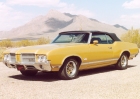
Howard is a 28 year old single male enjoying life. He has a nice job, he is unmarried but has a “semi” girlfriend, and his pride and joy is a 1970 Cutlass convertible that was given to him by his grandfather when he graduated from high school. The grandfather had purchased the car new, had not put that many miles on it, and had taken excellent care of it. Howard has continued to treat the car well, and it has never given him any problems in the ten years he has owned it. The car was equipped only with the more popular options of the time, including power steering and brakes, AM/FM radio, automatic transmission, and bucket seats. There was nothing fancy like air-conditioning (it’s a convertible, after all!) or power windows (the roll-ups work just fine, thank you), and it had no factory gauges, only indicator (“idiot") lights.
One day Howard did something he would likely one day regret. He signed up at classicoldsmobile.com. He had heard about the many online forums for old car enthusiasts, but he had only recently become aware of CO. Since he owned an Olds, he thought it would be worth joining because who knew what kinds of useful information he might learn.
One day Howard was visiting the site and came across a lengthy thread dealing with engine temperature. He was reading about thermostats, radiator cores, electric fans, fan clutches, water pumps, infrared temperature sensors, you name it, and several participants in the thread were discussing their concerns about their cars’ engine operating temperatures.
Howard came away from reading through the thread with the notion that he should install a temperature gauge on his car. He’s never experienced any issues in this regard, and the idiot light has never gone on, but what the heck. It would be fun and educational to install, and he would be able to see just what temperature his car’s engine was running at.
Almost immediately after installing the new gauge, Howard’s life began to fall apart. He found himself constantly glancing over at the gauge. He just had to know what the temperature was doing as he drove and how it was affected by the weather, by the outside temperature, and by what kind of driving he was doing. He first noticed that the engine’s temperature, while it fluctuated a bit, tended to hover in the 200 to 205 range. Was this good? The thermostat, he knew, was rated at 180. Shouldn’t the engine operate at this temperature? Should he replace it with something lower, like a 160? This was a common suggestion in the online threads he visited.
Even more alarmingly, he noticed that, in certain situations, such as idling in traffic on a warm day, the temperature would creep up, sometimes getting to 215 or even higher. Oh my God! What should I do? Is the engine going to overheat? He tried to remind himself that he had driven the car in similar situations numerous times over the years prior to installing the temperature gauge, the idiot light had never gone on, and the engine never overheated. But he couldn’t stop thinking about it, and maybe there was a problem that he just wasn’t aware of. The issue began to eat at him. His hair began to fall out, his semi-girlfriend became his quarter-girlfriend and then eventually his not-my-girlfriend-at-all. His performance at his job began to suffer.
So one night Howard resolved to go to the local parts store and buy and install some of the various fixes he had read about others doing on Classicoldsmoble. He was going to replace the factory 2-row radiator with a 4-row. He was going to install three electric fans. He was going to change the thermostat to a 160. He was going to install a heavy-duty water pump. He was even going to buy one of those infrared temperature sensors and take a reading every two inches or so across the entire outer surface of the engine. The operating temperature characteristics of this engine were going to be known by Howard better than he knew anything else, including his own name.
But the night before he planned to go to the auto parts store, while he was asleep, he was visited by three ghosts: the Ghost of Engine Temperatures Past, the Ghost of Engine Temperatures Present, and the one he feared most, the Ghost of Engine Temperatures Yet-to-Come. We won’t go through all the details of Howard’s visit experiences with the ghosts, including his visit to his childhood home and his visit to the home of his co-worker who had a son with a bum knee, and we’ll get straight to the ending.
Howard came away with a completely new outlook on engine temperatures. When he got up the next morning, instead of going to the parts store to buy all of those things he had planned to buy, he went into the garage, removed the temperature gauge, and reinstalled the idiot light sensor.
He drove the Cutlass just as much as he always had, and he continued to have no problems, even though he once again had no idea what his engine’s temperature was nor how it changed as traffic, weather, and driving conditions changed.
More importantly, though, his hair began to grow back. He started doing better at his job again. But the best of all was that his former semi-girlfriend returned to him. She later became his full-girlfriend, and now they’re engaged and will be married next weekend.
Moral of the story? Ignorance is bliss. There is such a thing as too much information. It nearly ruined Howard’s life. Don’t let it ruin yours. Most importantly, don’t listen to the lunatics at Classicoldsmobile.com!
Howard is a 28 year old single male enjoying life. He has a nice job, he is unmarried but has a “semi” girlfriend, and his pride and joy is a 1970 Cutlass convertible that was given to him by his grandfather when he graduated from high school. The grandfather had purchased the car new, had not put that many miles on it, and had taken excellent care of it. Howard has continued to treat the car well, and it has never given him any problems in the ten years he has owned it. The car was equipped only with the more popular options of the time, including power steering and brakes, AM/FM radio, automatic transmission, and bucket seats. There was nothing fancy like air-conditioning (it’s a convertible, after all!) or power windows (the roll-ups work just fine, thank you), and it had no factory gauges, only indicator (“idiot") lights.
One day Howard did something he would likely one day regret. He signed up at classicoldsmobile.com. He had heard about the many online forums for old car enthusiasts, but he had only recently become aware of CO. Since he owned an Olds, he thought it would be worth joining because who knew what kinds of useful information he might learn.
One day Howard was visiting the site and came across a lengthy thread dealing with engine temperature. He was reading about thermostats, radiator cores, electric fans, fan clutches, water pumps, infrared temperature sensors, you name it, and several participants in the thread were discussing their concerns about their cars’ engine operating temperatures.
Howard came away from reading through the thread with the notion that he should install a temperature gauge on his car. He’s never experienced any issues in this regard, and the idiot light has never gone on, but what the heck. It would be fun and educational to install, and he would be able to see just what temperature his car’s engine was running at.
Almost immediately after installing the new gauge, Howard’s life began to fall apart. He found himself constantly glancing over at the gauge. He just had to know what the temperature was doing as he drove and how it was affected by the weather, by the outside temperature, and by what kind of driving he was doing. He first noticed that the engine’s temperature, while it fluctuated a bit, tended to hover in the 200 to 205 range. Was this good? The thermostat, he knew, was rated at 180. Shouldn’t the engine operate at this temperature? Should he replace it with something lower, like a 160? This was a common suggestion in the online threads he visited.
Even more alarmingly, he noticed that, in certain situations, such as idling in traffic on a warm day, the temperature would creep up, sometimes getting to 215 or even higher. Oh my God! What should I do? Is the engine going to overheat? He tried to remind himself that he had driven the car in similar situations numerous times over the years prior to installing the temperature gauge, the idiot light had never gone on, and the engine never overheated. But he couldn’t stop thinking about it, and maybe there was a problem that he just wasn’t aware of. The issue began to eat at him. His hair began to fall out, his semi-girlfriend became his quarter-girlfriend and then eventually his not-my-girlfriend-at-all. His performance at his job began to suffer.
So one night Howard resolved to go to the local parts store and buy and install some of the various fixes he had read about others doing on Classicoldsmoble. He was going to replace the factory 2-row radiator with a 4-row. He was going to install three electric fans. He was going to change the thermostat to a 160. He was going to install a heavy-duty water pump. He was even going to buy one of those infrared temperature sensors and take a reading every two inches or so across the entire outer surface of the engine. The operating temperature characteristics of this engine were going to be known by Howard better than he knew anything else, including his own name.
But the night before he planned to go to the auto parts store, while he was asleep, he was visited by three ghosts: the Ghost of Engine Temperatures Past, the Ghost of Engine Temperatures Present, and the one he feared most, the Ghost of Engine Temperatures Yet-to-Come. We won’t go through all the details of Howard’s visit experiences with the ghosts, including his visit to his childhood home and his visit to the home of his co-worker who had a son with a bum knee, and we’ll get straight to the ending.
Howard came away with a completely new outlook on engine temperatures. When he got up the next morning, instead of going to the parts store to buy all of those things he had planned to buy, he went into the garage, removed the temperature gauge, and reinstalled the idiot light sensor.
He drove the Cutlass just as much as he always had, and he continued to have no problems, even though he once again had no idea what his engine’s temperature was nor how it changed as traffic, weather, and driving conditions changed.
More importantly, though, his hair began to grow back. He started doing better at his job again. But the best of all was that his former semi-girlfriend returned to him. She later became his full-girlfriend, and now they’re engaged and will be married next weekend.
Moral of the story? Ignorance is bliss. There is such a thing as too much information. It nearly ruined Howard’s life. Don’t let it ruin yours. Most importantly, don’t listen to the lunatics at Classicoldsmobile.com!
Last edited by jaunty75; Sep 24, 2025 at 09:18 AM.
same but different
Joined: Jun 2007
Posts: 2,965
From: Central Missouri
Reminds me a fishing tale. Its not the equipment but more about the bait.
But for me, it directly relates to electric guitars and and all wizz bang gadgets and effects available. In the end, its about six properly tuned strings.
I suppose someone seriously into golf might have similar feelings about the "stuff" .
I got to go fast, my tire pressure light is on. Better check those tires.
But for me, it directly relates to electric guitars and and all wizz bang gadgets and effects available. In the end, its about six properly tuned strings.
I suppose someone seriously into golf might have similar feelings about the "stuff" .
I got to go fast, my tire pressure light is on. Better check those tires.
Registered User
Joined: Aug 2013
Posts: 12,796
From: Evansville, IN
Due to the laws of thermodynamics, a radiator is one of the most cooperative devices out there, as, the further away it gets from ambient, the better it works. Thus, the hotter your car runs, the more heat it will throw off, and this means that many cars will happily run a little hot forever and never boil over. GM engines in that year are rated to 250 F. Engine temp is like oil pressure. Don't boil over is like any oil pressure is sufficient. If your engine is outrunning the radiator at thermostat temp and runs a little warmer until it can handle the load, it's still within parameters. Carry on.

Registered User
Joined: Jul 2008
Posts: 4,533
From: Chi-town
Love it, I get lots of great info form this site but I do try not to get caught up in OCD. I do appreciate those who go that route, and I enjoy working on my car as well. Presently, I am going down that rabbit hole with the drivers door. I took off the panel to repair the metal behind the armrest so the screw would hold tighter when pulling the door closed. I have now taken apart the whole door and even decided to replace the wiring harnesses. What gets me is when people forget to enjoy these cars for what they are.
On a separate note, what is even crazier is when someone looks over my car and even after saying how much they love it spending another 15 - 30 minutes telling me or others all that is "wrong" with the car. After 30 years I have learned to ignore it but still makes me feel for those who have to try to show people just how much they "really" know.
On a separate note, what is even crazier is when someone looks over my car and even after saying how much they love it spending another 15 - 30 minutes telling me or others all that is "wrong" with the car. After 30 years I have learned to ignore it but still makes me feel for those who have to try to show people just how much they "really" know.
Registered User
Joined: Feb 2013
Posts: 15,409
From: Phoenix, AZ
Registered User
Joined: Aug 2013
Posts: 12,796
From: Evansville, IN
It's all about the presentation. I told a couple H/OCA guys to name things factory incorrect under the hood of mine and I took notes. One should not criticize in terms of being wrong, one should discuss the original condition and how to get back to it if it is wanted.

Phantom Phixer
Joined: Dec 2011
Posts: 5,527
From: Apopka, FL
Some people think that a car would "boil over" at 212 degrees. (the boiling point of water )
But if you mix the water 50/50 with antifreeze you will automatically raise the boiling point to 223 degrees.
If you take the same mixture and pressurize it with a 15 PSI radiator cap the boiling point is raised to 268 degrees.
So, when your temp gauge gets to 260 degrees, then you can start to worry.
But if you mix the water 50/50 with antifreeze you will automatically raise the boiling point to 223 degrees.
If you take the same mixture and pressurize it with a 15 PSI radiator cap the boiling point is raised to 268 degrees.
So, when your temp gauge gets to 260 degrees, then you can start to worry.

Registered User
Joined: Dec 2024
Posts: 1
Originally Posted by janty75;1589sdfsdf702
Marley was dead. This must be completely understood if this story is to have any meaning.
Howard is a 28 year old single male enjoying life. He has a nice job, he is unmarried but has a “semi” girlfriend, and his pride and joy is a 1970 Cutlass convertible that was given to him by his grandfather when he graduated from high school. The grandfather had purchased the car new, had not put that many miles on it, and had taken excellent care of it. Howard has continued to treat the car well, and it has never given him any problems in the ten years he has owned it. The car was equipped only with the more popular options of the time, including power steering and brakes, AM/FM radio, automatic transmission, and bucket seats. There was nothing fancy like air-conditioning (it’s a convertible, after all!) or power windows (the roll-ups work just fine, thank you), and it had no factory gauges, only indicator (“idiot") lights.
One day Howard did something he would likely one day regret. He signed up at classicoldsmobile.com. He had heard about the many online forums for old car enthusiasts, but he had only recently become aware of CO. Since he owned an Olds, he thought it would be worth joining because who knew what kinds of useful information he might learn.
One day Howard was visiting the site and came across a lengthy thread dealing with engine temperature. He was reading about thermostats, radiator cores, electric fans, fan clutches, water pumps, infrared temperature sensors, you name it, and several participants in the thread were discussing their concerns about their cars’ engine operating temperatures.
Howard came away from reading through the thread with the notion that he should install a temperature gauge on his car. He’s never experienced any issues in this regard, and the idiot light has never gone on, but what the heck. It would be fun and educational to install, and he would be able to see just what temperature his car’s engine was running at.
Almost immediately after installing the new gauge, Howard’s life began to fall apart. He found himself constantly glancing over at the gauge. He just had to know what the temperature was doing as he drove and how it was affected by the weather, by the outside temperature, and by what kind of driving he was doing. He first noticed that the engine’s temperature, while it fluctuated a bit, tended to hover in the 200 to 205 range. Was this good? The thermostat, he knew, was rated at 180. Shouldn’t the engine operate at this temperature? Should he replace it with something lower, like a 160? This was a common suggestion in the online threads he visited.
Even more alarmingly, he noticed that, in certain situations, such as idling in traffic on a warm day, the temperature would creep up, sometimes getting to 215 or even higher. Oh my God! What should I do? Is the engine going to overheat? He tried to remind himself that he had driven the car in similar situations numerous times over the years prior to installing the temperature gauge, the idiot light had never gone on, and the engine never overheated. But he couldn’t stop thinking about it, and maybe there was a problem that he just wasn’t aware of. The issue began to eat at him. His hair began to fall out, his semi-girlfriend became his quarter-girlfriend and then eventually his not-my-girlfriend-at-all. His performance at his job began to suffer.
So one night Howard resolved to go the local parts store and buy and install some of the various fixes he had read about others doing on Classicoldsmoble. He was going to replace the factory 2-row radiator with a 4-row. He was going to install three electric fans. He was going to change the thermostat to a 160. He was going to install a heavy-duty water pump. He was even going buy one of those infrared temperature sensors and take a reading every two inches or so across the entire outer surface of the engine. The operating temperature characteristics of this engine were going to be known by Howard better than he knew anything else, including his own name.
But the night before he planned to go the auto parts store, while he was asleep, he was visited by three ghosts: the Ghost of Engine Temperatures Past, the Ghost of Engine Temperatures Present, and the one he feared most, the Ghost of Engine Temperatures Yet-to-Come. We won’t go through all the details of Howard’s visit experiences with the ghosts, including his visit to his childhood home and his visit to the home of his co-worker who had a son with a bum knee, and we’ll get straight to the ending.
Howard came away with a completely new outlook on engine temperatures. When he got up the next morning, instead of going to the parts store to buy all of those things he had planned to buy, he went into the garage, removed the temperature gauge, and reinstalled the idiot light sensor.
He drove the Cutlass just as much as he always had, and he continued to have no problems, even though he once again had no idea what his engine’s temperature was nor how it changed as traffic, weather, and driving conditions changed.
More importantly, though, his hair began to grow back. He started doing better at his job again. But the best of all was that his former semi-girlfriend returned to him. She later became his full-girlfriend, and now they’re engaged and will be married next weekend.
Moral of the story? Ignorance is bliss. There is such a thing as too much information. It nearly ruined Howard’s life. Don’t let it ruin yours. Most importantly, don’t listen to the lunatics at Classicoldsmobile.com!
Howard is a 28 year old single male enjoying life. He has a nice job, he is unmarried but has a “semi” girlfriend, and his pride and joy is a 1970 Cutlass convertible that was given to him by his grandfather when he graduated from high school. The grandfather had purchased the car new, had not put that many miles on it, and had taken excellent care of it. Howard has continued to treat the car well, and it has never given him any problems in the ten years he has owned it. The car was equipped only with the more popular options of the time, including power steering and brakes, AM/FM radio, automatic transmission, and bucket seats. There was nothing fancy like air-conditioning (it’s a convertible, after all!) or power windows (the roll-ups work just fine, thank you), and it had no factory gauges, only indicator (“idiot") lights.
Spoiler
One day Howard was visiting the site and came across a lengthy thread dealing with engine temperature. He was reading about thermostats, radiator cores, electric fans, fan clutches, water pumps, infrared temperature sensors, you name it, and several participants in the thread were discussing their concerns about their cars’ engine operating temperatures.
Howard came away from reading through the thread with the notion that he should install a temperature gauge on his car. He’s never experienced any issues in this regard, and the idiot light has never gone on, but what the heck. It would be fun and educational to install, and he would be able to see just what temperature his car’s engine was running at.
Almost immediately after installing the new gauge, Howard’s life began to fall apart. He found himself constantly glancing over at the gauge. He just had to know what the temperature was doing as he drove and how it was affected by the weather, by the outside temperature, and by what kind of driving he was doing. He first noticed that the engine’s temperature, while it fluctuated a bit, tended to hover in the 200 to 205 range. Was this good? The thermostat, he knew, was rated at 180. Shouldn’t the engine operate at this temperature? Should he replace it with something lower, like a 160? This was a common suggestion in the online threads he visited.
Even more alarmingly, he noticed that, in certain situations, such as idling in traffic on a warm day, the temperature would creep up, sometimes getting to 215 or even higher. Oh my God! What should I do? Is the engine going to overheat? He tried to remind himself that he had driven the car in similar situations numerous times over the years prior to installing the temperature gauge, the idiot light had never gone on, and the engine never overheated. But he couldn’t stop thinking about it, and maybe there was a problem that he just wasn’t aware of. The issue began to eat at him. His hair began to fall out, his semi-girlfriend became his quarter-girlfriend and then eventually his not-my-girlfriend-at-all. His performance at his job began to suffer.
So one night Howard resolved to go the local parts store and buy and install some of the various fixes he had read about others doing on Classicoldsmoble. He was going to replace the factory 2-row radiator with a 4-row. He was going to install three electric fans. He was going to change the thermostat to a 160. He was going to install a heavy-duty water pump. He was even going buy one of those infrared temperature sensors and take a reading every two inches or so across the entire outer surface of the engine. The operating temperature characteristics of this engine were going to be known by Howard better than he knew anything else, including his own name.
But the night before he planned to go the auto parts store, while he was asleep, he was visited by three ghosts: the Ghost of Engine Temperatures Past, the Ghost of Engine Temperatures Present, and the one he feared most, the Ghost of Engine Temperatures Yet-to-Come. We won’t go through all the details of Howard’s visit experiences with the ghosts, including his visit to his childhood home and his visit to the home of his co-worker who had a son with a bum knee, and we’ll get straight to the ending.
Howard came away with a completely new outlook on engine temperatures. When he got up the next morning, instead of going to the parts store to buy all of those things he had planned to buy, he went into the garage, removed the temperature gauge, and reinstalled the idiot light sensor.
He drove the Cutlass just as much as he always had, and he continued to have no problems, even though he once again had no idea what his engine’s temperature was nor how it changed as traffic, weather, and driving conditions changed.
More importantly, though, his hair began to grow back. He started doing better at his job again. But the best of all was that his former semi-girlfriend returned to him. She later became his full-girlfriend, and now they’re engaged and will be married next weekend.
Moral of the story? Ignorance is bliss. There is such a thing as too much information. It nearly ruined Howard’s life. Don’t let it ruin yours. Most importantly, don’t listen to the lunatics at Classicoldsmobile.com!
Last edited by WesleyFox; Dec 28, 2024 at 12:15 AM.
Thread Starter
Registered User
Joined: Jun 2009
Posts: 15,192
From: southeastern Michigan
In relation to this, a new disease has been recognized by the medical community. It’s called “temperature gauge-osis.” It’s almost always brought on by the installation of a temperature gauge on the car of the person afflicted with the disease.
Symptoms include:
1. Increased nighttime sweatiness.
2. Inability to concentrate except on the gauge itself.
3. Loss of self-esteem.
4. Increasing withdrawal from society, sometimes leading to marriage break-up and loss of job. Many afflicted with the disease long enough have become destitute.
5. Increased number of fender-benders from failing to look up at the road once in a while when driving.
6. Loss of hair and increasingly wan (pale) countenance.
7. Loss of appetite.
There is no known treatment for the disease. The only remedy is a complete temperature gauge-ectomy and replacement of the sending unit with the original indicator light sensor. Fortunately, most health insurance plans do cover this procedure.
After the procedure, while it can take some time, victims usually make a full recovery.
Symptoms include:
1. Increased nighttime sweatiness.
2. Inability to concentrate except on the gauge itself.
3. Loss of self-esteem.
4. Increasing withdrawal from society, sometimes leading to marriage break-up and loss of job. Many afflicted with the disease long enough have become destitute.
5. Increased number of fender-benders from failing to look up at the road once in a while when driving.
6. Loss of hair and increasingly wan (pale) countenance.
7. Loss of appetite.
There is no known treatment for the disease. The only remedy is a complete temperature gauge-ectomy and replacement of the sending unit with the original indicator light sensor. Fortunately, most health insurance plans do cover this procedure.
After the procedure, while it can take some time, victims usually make a full recovery.

Thread
Thread Starter
Forum
Replies
Last Post


