When you click on links to various merchants on this site and make a purchase, this can result in this site earning a commission. Affiliate programs and affiliations include, but are not limited to, the eBay Partner Network.
I have installed new upper control arm bushings on my Rallye 350, and I want to verify if I did this correctly. In the chassis manual it stated to:
Press the first bushing in until it bottoms on control arm.
Then Turn arm over and install the other new bushing in the same manner.
But then it states, Install the bushing loosely. What does that mean?
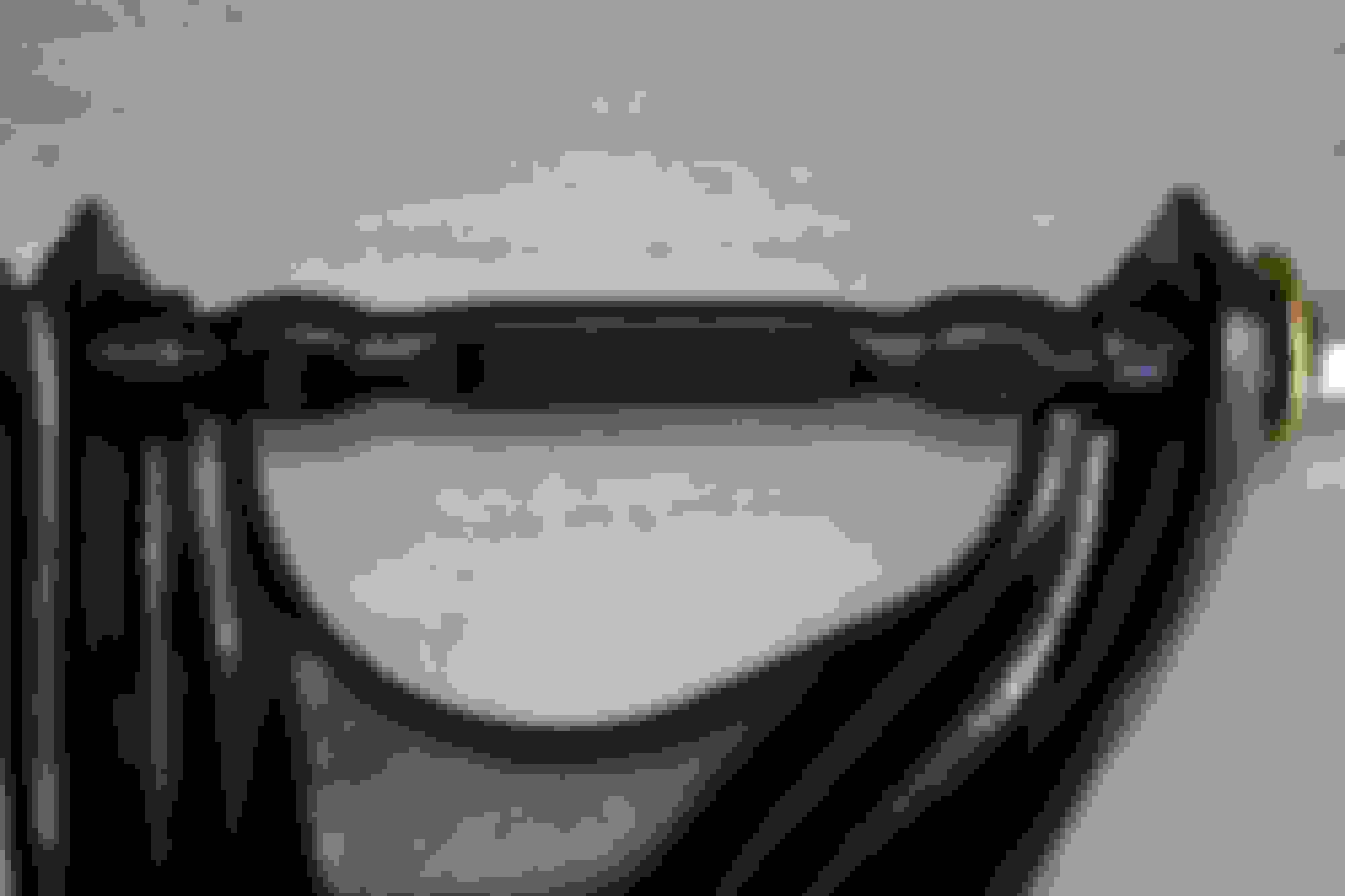
I also watched a cartape video on youtube about rebuilding the front end and they simply installed both bushings until they bottomed. I just want to confirm if the steel center sleeve on the bushings should be contacting the raised part of the control arm shaft. The shaft will rotate but it seems tight. See picture below:
I think the install loosely part refers to the whole assembly in the car i.e. Don't tighten the nuts on the shaft until the weight of the car is on the suspension.
I think the install loosely part refers to the whole assembly in the car i.e. Don't tighten the nuts on the shaft until the weight of the car is on the suspension.
^^^This. The bushing outer shells should be pressed all the way into the control arms until they bottom. You do not, however, want to tighten the nuts until the front suspension is at ride height. The inboard end of the sleeve in the bushing is serrated and will "bite" into the step on the cross shaft once the nut is tightened. This locks the bushing in place rotationally relative to the cross shaft. This is what should be loose for now.
^^^This. The bushing outer shells should be pressed all the way into the control arms until they bottom. You do not, however, want to tighten the nuts until the front suspension is at ride height. The inboard end of the sleeve in the bushing is serrated and will "bite" into the step on the cross shaft once the nut is tightened. This locks the bushing in place rotationally relative to the cross shaft. This is what should be loose for now.
I know for a fact when my upper control arm bushings were installed and tightened the wheels were off. What can I do at this point to make it right. It sits up kinda high and has a very weird and bumpy ride. 72 olds cutlass.
Even if the wheels were off, the car was probably sitting on the lower control arms which is the same as weight on wheels.
Yes the lowers were still on. The bushings are polyurethane and it has a crazy bumpy feel when I drive it. I may just go get some more closer to originals.
Even if the wheels were off, the car was probably sitting on the lower control arms which is the same as weight on wheels.
This depends on if the jack was under the spring perch or the ball joints. If it was under the ball joints, the lever-arm of the LCA is the same as if the car was resting on the wheels, so this would be true. If the jack was under the spring perch, the lever arm is shorter so the car will sit higher (UCAs hanging lower than normal).
This depends on if the jack was under the spring perch or the ball joints. If it was under the ball joints, the lever-arm of the LCA is the same as if the car was resting on the wheels, so this would be true. If the jack was under the spring perch, the lever arm is shorter so the car will sit higher (UCAs hanging lower than normal).
If I’m remembering correctly the jack was on the spring perch. How can I fix the problem? Can the upper control arms just be loosened up to fall in correct spot then retightened?
This depends on if the jack was under the spring perch or the ball joints. If it was under the ball joints, the lever-arm of the LCA is the same as if the car was resting on the wheels, so this would be true. If the jack was under the spring perch, the lever arm is shorter so the car will sit higher (UCAs hanging lower than normal).
Nope, full weight is full weight. Makes no difference where it was supported.
If I’m remembering correctly the jack was on the spring perch. How can I fix the problem? Can the upper control arms just be loosened up to fall in correct spot then retightened?
Yes, with car supported on wheels (drive it up on ramps then lift rear end with a jack to level it out), loosen upper and lower control arm nuts on both sides of car. Bounce the front end a few times, turn the steering wheel back and forth to help the wheel track spread, bounce it again and then tighten everything to spec. This procedure is for rubber bushings.
Nope, full weight is full weight. Makes no difference where it was supported.
Assuming that the other 3 wheels / suspension are loaded the same, you would be correct that the upward force being applied by the jack to hold up that corner of the car is the same whether it is resting on the spring perch or under the ball joint. However, that same upward force applied at the ball joint has more leverage on the spring than it would under the spring perch and is going to result in more compression of the spring, resulting in the control arms resting in a higher position (where it should be if the suspension was resting on the tires) than if the jack is lifting at the spring perch.
Ever wonder why on some cars when you jack under the spring perch, the car frame lifts faster than the wheel? Its because as you lift at the spring perch, the upward forces on the ball joints is transferred to a place of less leverage on the spring allowing the spring to expand. Another way to look at it is when the car's weight is resting on the ball joints, the spring perch acts as a fulcrum which results in downward force being applied to the car's frame at the LCA bushings. When you lift at the spring perch, this downward force on the frame is nearly eliminated.
Last edited by JohnnyBs68S; Apr 25, 2019 at 06:14 AM.
Once the wheels are off the ground, the full weight is on the springs. You really can't change gravity.
Nobody claimed gravity changes. What changes is the lever arm on the spring. With the jack under the spring perch, the lever arm on the spring is 1:1. With the jack under the ball joints, the lever arm is 1+X:1 where X = represents the distance between the spring perch and the ball joint. With the same force on the jack holding the car up by the ball joint, the spring is going to compress more due to the lever arm that is >1:1.