When you click on links to various merchants on this site and make a purchase, this can result in this site earning a commission. Affiliate programs and affiliations include, but are not limited to, the eBay Partner Network.
A front drum to disc conversion turned into New springs and ball joints which turned into me needing all new bushings in the control arms how much turned into the shock mount holes being worn out and now I'm looking at tubular control arms. The snowball effect is consuming me but it's still fun... I'm looking at this set off of eBay for about $240. Seems too good to be true. Has anybody out there purchase these and have some mileage on them. Are they worth it? These are for a 64 Cutlass convertible not building a race car. Just a nice comfortable cruiser
Last edited by Rob64cutlass; Jul 24, 2023 at 06:17 PM.
I have a set of them on my vista cruiser. I have been running them since 2014 or so from when I first put the air ride, wheels, and first set of 4-wheel disc brakes on (while the car was still otherwise stock). I am still running them now. They have done well for me. Don't expect a huge change in performance, but the Delrin bushings are nice especially for a car on air as rubber bushings will wear out fast. The only problem I have had with them is that the upper ball joints wore out. The car was my daily driver for about 3 years with these on. When I tore the car down to restore it, the upper ball joints were trashed. Keep in mind this was a car on air so the suspension went through full travel at least twice every time I drove it over those 3 years.
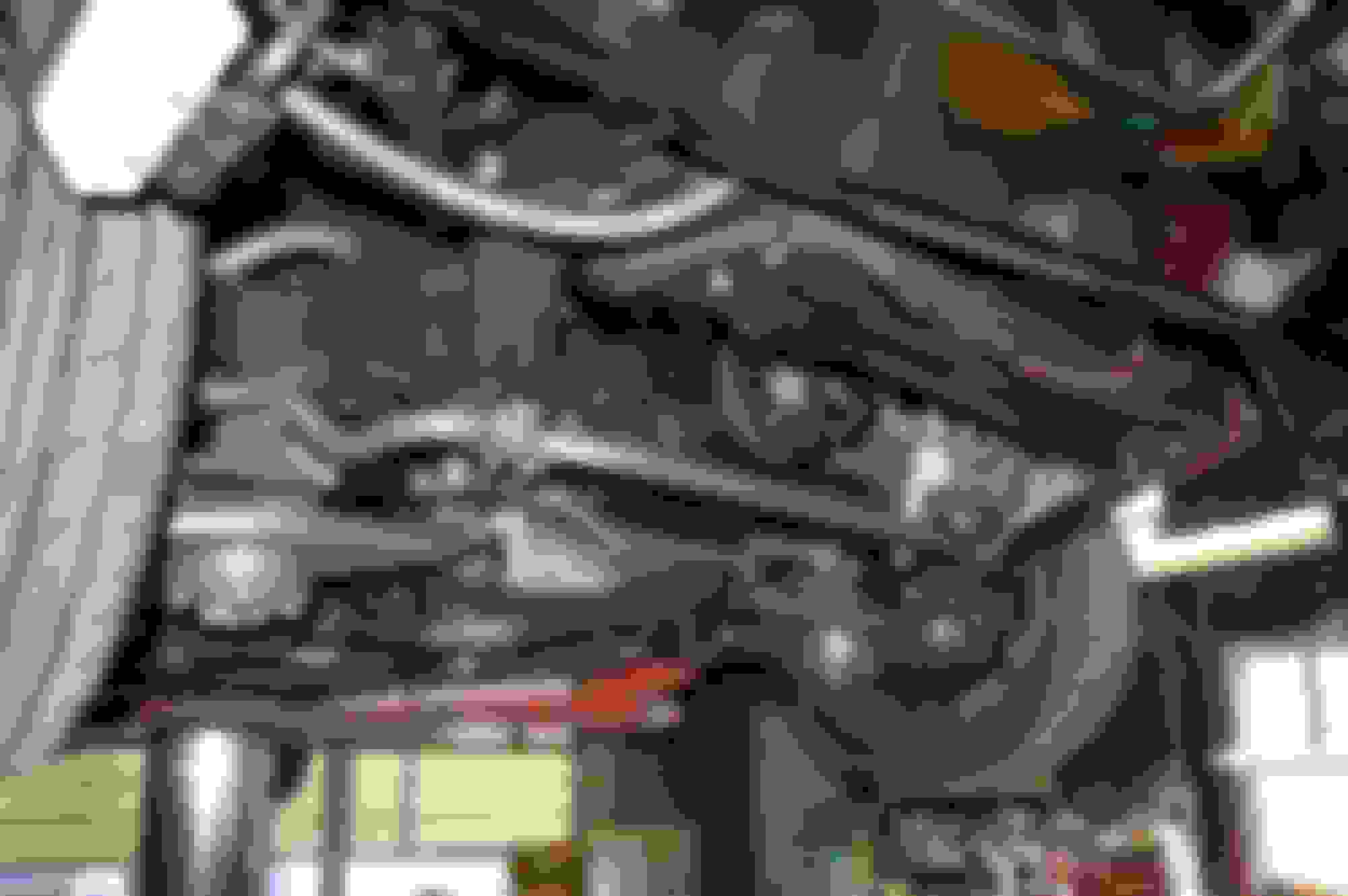
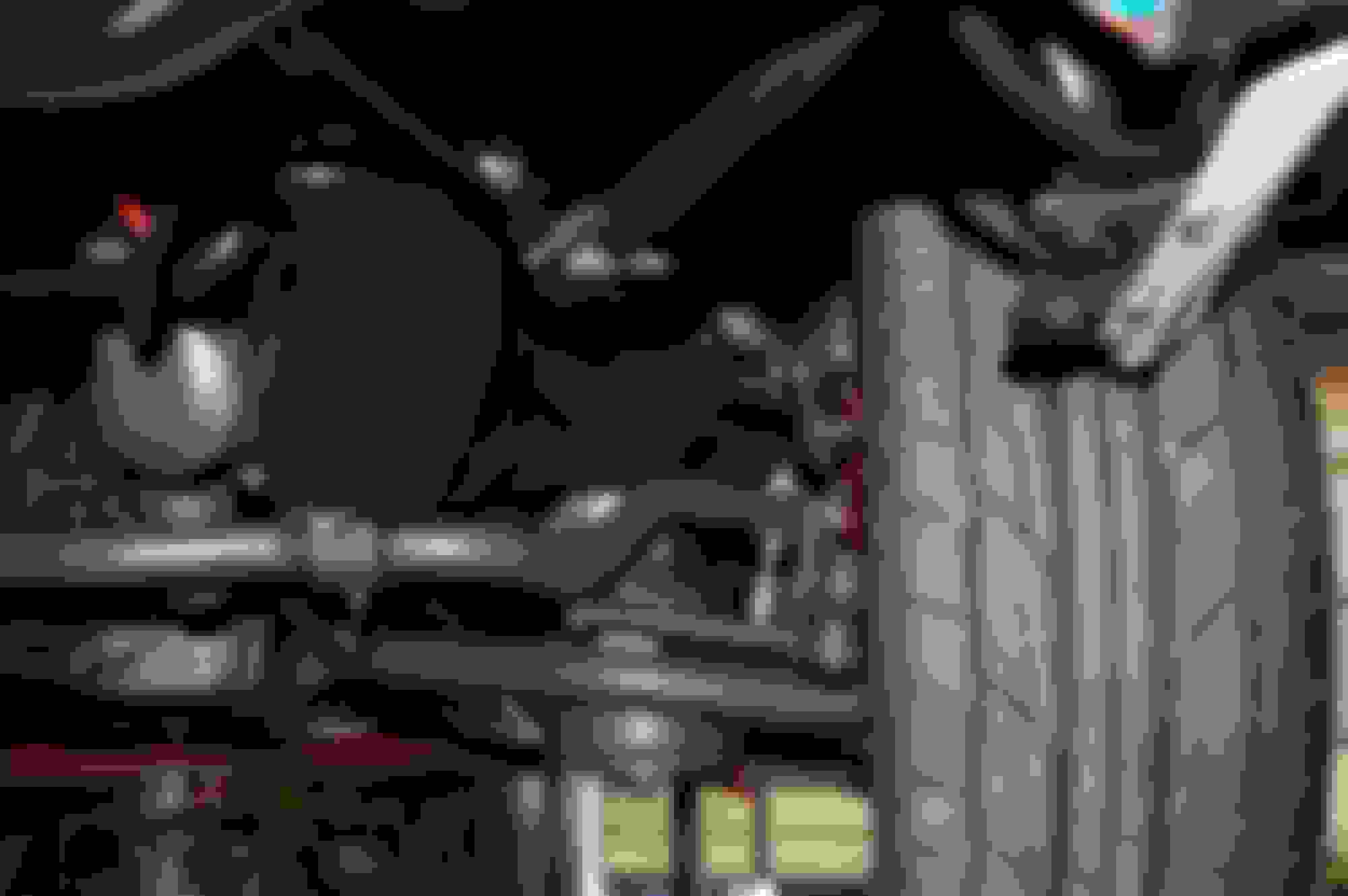
In these photos you will see where I modified mine with 1/8" and 1/4" (3/8" total) plates (welded and bolted) to accept the ridetech shockwaves.
I can’t speak to their quality but one of the last items I would compromise for price would be control arms.
Especially when they're that much cheaper than anything from a brand name. I mean...ball joints are $80. A 4ft length of 1.625 x .120 DOM tubing is ~$100. So you've got about $50 left to cut and form the metal, weld it, buy/make bushings, install them, buy sway bar end links, install them, buy bump stops, install them, buy/make cross-shafts, install them, put it up on ebay, package it, ship it...
I'm quite certain they're getting things wholesale, but still, that is absolute bottom of the barrel pricing.
I have a set I bought for another project (57Chevy) I have not used. The welds are excellent. I would expect the ball joints to be cheaper and would probably change them if I were going to use them.
I have a set of them on my vista cruiser. I have been running them since 2014 or so from when I first put the air ride, wheels, and first set of 4-wheel disc brakes on (while the car was still otherwise stock). I am still running them now. They have done well for me. Don't expect a huge change in performance, but the Delrin bushings are nice especially for a car on air as rubber bushings will wear out fast. The only problem I have had with them is that the upper ball joints wore out. The car was my daily driver for about 3 years with these on. When I tore the car down to restore it, the upper ball joints were trashed. Keep in mind this was a car on air so the suspension went through full travel at least twice every time I drove it over those 3 years.
In these photos you will see where I modified mine with 1/8" and 1/4" (3/8" total) plates (welded and bolted) to accept the ridetech shockwaves.
Great pictures man! Thank you for the info. For 250 bucks I might have to order them. I'll post some pictures and reviews as I get them installed. Hopefully standard upper and lower ball joints will fit in them. I'll replace them with moogs and go from there.
My last build the 64 F85, I bit the bullet and went 100% Hotchkis front and rear...
Summit racings distribution center in Valdosta is only a couple hours from me. I was in there and looked at this chassis build with all QA1 suspension in it which it's listed as Chevelle but it's still all GM A body. But to go all QA1 with coilovers thousands of dollars. Not saying that it's not worth it but I am not pro touring rac
ing this car hard to spend that kind of money.
Last edited by Rob64cutlass; Jul 26, 2023 at 02:10 PM.
Reason: Added photos
I don't know what current prices are but they have to be a lot more than what I paid. I did install QA1 adjustable rear shocks and Hotchkis tuned Bilstein shocks in the front.
Especially when they're that much cheaper than anything from a brand name. I mean...ball joints are $80. A 4ft length of 1.625 x .120 DOM tubing is ~$100. So you've got about $50 left to cut and form the metal, weld it, buy/make bushings, install them, buy sway bar end links, install them, buy bump stops, install them, buy/make cross-shafts, install them, put it up on ebay, package it, ship it...
I'm quite certain they're getting things wholesale, but still, that is absolute bottom of the barrel pricing.
There is a discussion on the "Nova" site, it might be "Steves" about how a ball joint tore, or snapped out of an offshore control arm. Metallurgy issues. Personally am not into these tubulars, but if one was hell-bent on getting them, source from a domestic company that makes them here.
I used a set of the import generic front lower arms ~10 years ago, so things might have changed. These are the same from a number of vendors under a number a different brand names. Basically any tubular arm that is crazy cheap is coming from the same plant. These are copies of Hotchkiss arms.
1) I got the delrin bushings and they were cut with a pocket knife. Replaced with parts from Hotchkiss
2) the ball joints were extremely stiff. The pocket was machined too small, so the balljoint housing pinched down on the ball. This also trashed the replacement balljoints that I was eventually able to force in there. I ended up paying a shop to resize the holes. Naturally, they overshot one of them and didn't tell me. I figured it out when the balljoint fell out while working on it. They agreed to sleeve and re-machine it.
3) the outer face of the pocket is very large. This is fine on a standard setup, but mine had lowering springs. This pushed the wall of the pocket into the disk brake backing plate which pushed into the disk. Destroyed the plate, disk and pads on both sides. I was able to grind down the pocket and hog out bigger holes in the backing plates to make it work.
So, yeah, they work, but I wouldn't recommend them. I've switched to SPC arms since then.
I used a set of the import generic front lower arms ~10 years ago, so things might have changed. These are the same from a number of vendors under a number a different brand names. Basically any tubular arm that is crazy cheap is coming from the same plant. These are copies of Hotchkiss arms.
1) I got the delrin bushings and they were cut with a pocket knife. Replaced with parts from Hotchkiss
2) the ball joints were extremely stiff. The pocket was machined too small, so the balljoint housing pinched down on the ball. This also trashed the replacement balljoints that I was eventually able to force in there. I ended up paying a shop to resize the holes. Naturally, they overshot one of them and didn't tell me. I figured it out when the balljoint fell out while working on it. They agreed to sleeve and re-machine it.
3) the outer face of the pocket is very large. This is fine on a standard setup, but mine had lowering springs. This pushed the wall of the pocket into the disk brake backing plate which pushed into the disk. Destroyed the plate, disk and pads on both sides. I was able to grind down the pocket and hog out bigger holes in the backing plates to make it work.
So, yeah, they work, but I wouldn't recommend them. I've switched to SPC arms since then.
Very awesome! This is great feedback exactly what I was looking for. Sorry you had to be the one to experience the butt kicking on them but that's what makes these forums so great is hopefully when one of us experiences some BS we can share it and hopefully help the next guy into not having the same situation! Again, thank you very much, greatly appreciate it!
So I bought the cheap ones. Figured it'd be worth a shot to see what it's all about. Maybe educate all of us on why they are cheap... Finally getting around to fitting them for install. Here they are side by side with the stock upper and lower control arms.. The lowers seem to line right up with OEM spec dimensions,. Question is on the upper. The top ball joint seems to be about an inch and 5/8 off from stock towards the rear. Is this normal? Or maybe this is why they were so cheap... Let me know some feedback guys. I appreciate it.
It's one of 2 things: they're either on the wrong sides or they're caster corrected. These cars caster spec wasn't much compared to today's standards. If you end up with 3-5⁰, it will be more stable at high speeds.
Most of the aftermarket control arms have additional positive caster built into their design; typically 1-2 degrees. This allows for more modern alignment settings than the 50-year old factory specs without excessive shimming at the frame mounts. From your picture, the upper balljoint mount in the tubular arm is moved about 1" to the rear (which seems like a lot to me). The factory spindle is about 7-1/2" tall, adding 1-1/2" for the upper and 1-1/2" for the lower balljoints the overall height of the spindle is around 10-1/2" from the upper pivot point to the lower. Using trig I calculate the caster angle to be around +5 degrees of caster (without shims). The most I could ever get out of the stock components was +3 degrees with lots of shims at the frame mounts.
Most of the aftermarket control arms have additional negative caster built into their design; typically 1-2 degrees. This allows for more modern alignment settings than the 50-year old factory specs without excessive shimming at the frame mounts. From your picture, the upper balljoint mount in the tubular arm is moved about 1" to the rear (which seems like a lot to me). The factory spindle is about 7-1/2" tall, adding 1-1/2" for the upper and 1-1/2" for the lower balljoints the overall height of the spindle is around 10-1/2" from the upper pivot point to the lower. Using trig I calculate the caster angle to be around -5 degrees of caster (without shims). The most I could ever get out of the stock components was -3 degrees with lots of shims at the frame mounts.
Rodney
Aftermarket arms tend to build in and allow for more POSITIVE caster.