When you click on links to various merchants on this site and make a purchase, this can result in this site earning a commission. Affiliate programs and affiliations include, but are not limited to, the eBay Partner Network.
Joe,
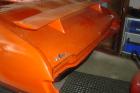
I saw your posts about your hood and I thought I would give you a little information on aligning the front sheet metal and hood. I don't know if it will help and I am a little late to the game on this but it might give you a little insight into what is going on.
Aligning the front sheet metal on the body on frame cars can be quite a challenge. There are quite a few variables with all the parts and lots of adjustments. And when one thing is adjusted, it can change the way something else fits. I can usually get the parts to align fairly well but it takes some time and occasionally an extra set of hands. It's also very hard to try to diagnose a problem someone is having without really being there because of all the variables. Hood hinges can be worn and if so, that makes aligning the hood very tough. Aside from X measuring the front fenders on the car, also measure the space between fenders at the rear and at the front just to make sure they are the same. And then check the width of the hood. Add another 1/2" to the hood width to allow for around a 1/4" gap along each side of the hood and that should give a target distance between the fenders both front and rear. Sometimes the measurement between the front part of the fenders will be a little tight requiring a shim between the fender and the radiator support. If the fenders are parallel to each other and the distance is correct for the width of the hood then it comes down to getting the front of the hood to align with the front of the fenders. In doing so, if the gap between the hood and fenders is no longer even, then the radiator support would be pushed to one side or the other to even out that gap. And if the support needs to be moved, loosen the top rear fender bolt where it sits on top of the cowl as the fenders will need to pivot a little. As long as the bolt inside the door jam is shimmed and tight, the fender should not want to pop outward or move inward but keep an eye on it. When the hood is now in the opening and even all the way around, now start to try to adjust the up and down on the hinges where they bolt to the fenders. To get the back down, I would loosen the front most hinge to fender bolt and barely loosen the rear 2. Have someone push up on the hood so the hinge is raised on the front part and then tighten that front bolt. Now loosen the 2 rear bolts a little more and push the hood up again which should cause the rear of the hinge to go lower. Tighten one of the rear bolts and give it a try. Once the back is where it needs to be, it may be necessary to let the front of the hinge drop down if the hood is not even with the top of the fenders (higher than the fenders) or maybe go even higher if the hood is a little lower than the fenders and this hood/fender being even I mention is forward of the hinge. Think of the hinge as being like a leg on a rocking chair that can pivot up or down at the front and back and that adjustment will decide how the hood aligns to the top of the fenders. And then once that is resolved, the hood needs to be checked to see if it is still even along the front edge where it aligns with the front edge of the fenders. Rocking the hinge can either pull the hood back or push it forward slightly. It can take some time to work with all these adjustments to get things to fit. Oh, and when aligning the hood, remove the latch completely so the hood can easily be placed in the closed position and then quickly raised. And don't forget the front stops that support the front of the hood as they need to be adjusted to get the hood to align with the top of the fender at the very front. The other thing that comes to mind is that there were different versions of that cowl seal rubber. Some companies offered a dense rubber and a soft rubber. I had a dense one once and it wouldn't crush down and was holding the back of the hood up. A switch to the soft one and the problem went away.
Again, it's hard to diagnose all problems from photos but I hope this helps. Your driver's side hinge looks like it needs to go down in both front and back and you'll need to see how much adjustment you have. And as Allan mentioned, put tape along the edges of the hood and fenders so you don't chip the paint playing with the adjustments.
Joe,
I saw your posts about your hood and I thought I would give you a little information on aligning the front sheet metal and hood. I don't know if it will help and I am a little late to the game on this but it might give you a little insight into what is going on.
Aligning the front sheet metal on the body on frame cars can be quite a challenge. There are quite a few variables with all the parts and lots of adjustments. And when one thing is adjusted, it can change the way something else fits. I can usually get the parts to align fairly well but it takes some time and occasionally an extra set of hands. It's also very hard to try to diagnose a problem someone is having without really being there because of all the variables. Hood hinges can be worn and if so, that makes aligning the hood very tough. Aside from X measuring the front fenders on the car, also measure the space between fenders at the rear and at the front just to make sure they are the same. And then check the width of the hood. Add another 1/2" to the hood width to allow for around a 1/4" gap along each side of the hood and that should give a target distance between the fenders both front and rear. Sometimes the measurement between the front part of the fenders will be a little tight requiring a shim between the fender and the radiator support. If the fenders are parallel to each other and the distance is correct for the width of the hood then it comes down to getting the front of the hood to align with the front of the fenders. In doing so, if the gap between the hood and fenders is no longer even, then the radiator support would be pushed to one side or the other to even out that gap. And if the support needs to be moved, loosen the top rear fender bolt where it sits on top of the cowl as the fenders will need to pivot a little. As long as the bolt inside the door jam is shimmed and tight, the fender should not want to pop outward or move inward but keep an eye on it. When the hood is now in the opening and even all the way around, now start to try to adjust the up and down on the hinges where they bolt to the fenders. To get the back down, I would loosen the front most hinge to fender bolt and barely loosen the rear 2. Have someone push up on the hood so the hinge is raised on the front part and then tighten that front bolt. Now loosen the 2 rear bolts a little more and push the hood up again which should cause the rear of the hinge to go lower. Tighten one of the rear bolts and give it a try. Once the back is where it needs to be, it may be necessary to let the front of the hinge drop down if the hood is not even with the top of the fenders (higher than the fenders) or maybe go even higher if the hood is a little lower than the fenders and this hood/fender being even I mention is forward of the hinge. Think of the hinge as being like a leg on a rocking chair that can pivot up or down at the front and back and that adjustment will decide how the hood aligns to the top of the fenders. And then once that is resolved, the hood needs to be checked to see if it is still even along the front edge where it aligns with the front edge of the fenders. Rocking the hinge can either pull the hood back or push it forward slightly. It can take some time to work with all these adjustments to get things to fit. Oh, and when aligning the hood, remove the latch completely so the hood can easily be placed in the closed position and then quickly raised. And don't forget the front stops that support the front of the hood as they need to be adjusted to get the hood to align with the top of the fender at the very front. The other thing that comes to mind is that there were different versions of that cowl seal rubber. Some companies offered a dense rubber and a soft rubber. I had a dense one once and it wouldn't crush down and was holding the back of the hood up. A switch to the soft one and the problem went away.
Again, it's hard to diagnose all problems from photos but I hope this helps. Your driver's side hinge looks like it needs to go down in both front and back and you'll need to see how much adjustment you have. And as Allan mentioned, put tape along the edges of the hood and fenders so you don't chip the paint playing with the adjustments.
Brian
Gee thanks Brian. If I can't get my painter guy to finish the job, I'll have enough info to try doing it myself. How do most people adjust all these things after painting and not damage the paint?
How do most people adjust all these things after painting and not damage the paint?
ohhh ohhhh, pick me, pick me!!!
I know this one. You work carefully and if you have no friends willing to drop in and help, you build a jig! Like I said earlier Joe, you use a LOT of masking tape (I used 2 - 3 layers in fact) to protect the paint. That's what I used on my car last year when I was adjusting minor clearance on the front bumper. Tape is soooo cheap compared to having to redo paint.
How do most people adjust all these things after painting and not damage the paint?
I hope I don't come across sounding like a wise **** as this is not my intent, but the real trick to this is to not get into that situation in the first place. All of the panels should be fitted prior to the car being painted. When everything is aligned, remove the shims from each area and mark them so you know where they came from. Also measure the distance between the inside of the front frame rails and the support so you can sit it back in the correct position. Or just leave the support in place when the fenders are removed and then you know it's in the correct position. Also tape a piece of masking tape and lay it on the underside of the hood directly in front of and on the side of the hinge so now you know where the hood needs to sit. This assumes the underside of the hood has already been finished. Once everything is painted, the front end assembly is just a matter of putting the shims back in the correct places and following the notes that were taken. Tape is still used on the back edge of the fender and front edge of the door and rocker until everything is in the correct place. And I cover the tops of the fenders with a heavy blanket while bolting the hood in place. And most import of all, close everything very slowly with an extra set of eyes watching the gaps until you know there are no interference issues. If the panels are not pre-fitted and painted, then there could be a lot of issues with the assembly, especially if the fenders or hood were not original to your car.
I hope I don't come across sounding like a wise **** as this is not my intent, but the real trick to this is to not get into that situation in the first place. All of the panels should be fitted prior to the car being painted. When everything is aligned, remove the shims from each area and mark them so you know where they came from. Also measure the distance between the inside of the front frame rails and the support so you can sit it back in the correct position. Or just leave the support in place when the fenders are removed and then you know it's in the correct position. Also tape a piece of masking tape and lay it on the underside of the hood directly in front of and on the side of the hinge so now you know where the hood needs to sit. This assumes the underside of the hood has already been finished. Once everything is painted, the front end assembly is just a matter of putting the shims back in the correct places and following the notes that were taken. Tape is still used on the back edge of the fender and front edge of the door and rocker until everything is in the correct place. And I cover the tops of the fenders with a heavy blanket while bolting the hood in place. And most import of all, close everything very slowly with an extra set of eyes watching the gaps until you know there are no interference issues. If the panels are not pre-fitted and painted, then there could be a lot of issues with the assembly, especially if the fenders or hood were not original to your car.
Brian
Thanks Brian. Hopefully my painter will rectify these issues soon.
Some more pics. Have finished the interior reassembly and fired the motor for the first time yesterday. Engine tuning coming up, but it sounds awesome, and no leaks (yet)
So much for the no leaks. Took it out around the block for the first time to see what happens - following list of issues:
1) Carpeting is somehow bunched up a little right under the gas pedal. Will have to figure out a way of moving the carpeting up and slightly to the right to get enough room to fully depress the pedal.
2) Transmission/shifter works well, but has a little whine to it at low speed. Dont know if it's supposed to do that or not.
3) Running really rich - need to lean out and recheck timing, but the thing fires at the slightest touch of the key.
4) Sounds like an occasional exhaust manifold leak on drivers side. Everything is torqued correctly - going to check the down pipe to manifold fit tonite.
5) Biggest problem - coolant leak at water pump to timing cover on the passenger side (where the cavity kind of juts out) Tried retorquing, just keeps dripping away. Looks like the from of the motor's going to have to come off to properly fix.
So much for the no leaks. Took it out around the block for the first time to see what happens - following list of issues:
1) Carpeting is somehow bunched up a little right under the gas pedal. Will have to figure out a way of moving the carpeting up and slightly to the right to get enough room to fully depress the pedal.
2) Transmission/shifter works well, but has a little whine to it at low speed. Dont know if it's supposed to do that or not.
3) Running really rich - need to lean out and recheck timing, but the thing fires at the slightest touch of the key.
4) Sounds like an occasional exhaust manifold leak on drivers side. Everything is torqued correctly - going to check the down pipe to manifold fit tonite.
5) Biggest problem - coolant leak at water pump to timing cover on the passenger side (where the cavity kind of juts out) Tried retorquing, just keeps dripping away. Looks like the from of the motor's going to have to come off to properly fix.
Any suggestions observations are welcome.
Joe, I'm so sorry to hear things didn't go so well on the shakedown cruise. Only have a couple things I can suggest that may help?
Carpeting. Any chance you can 'steam' the carpet and press it flat to fit?
Water pump. Sounds like a bad gasket. R&R sounds like the best solution. When you put the new one in, I'd suggest using some RTV on it unless you find the original gasket has totally failed.
trans. I'll guess that any new trans will whine a bit till it breaks in.
The car looks fantastic BTW! Can't wait to see pics of it with the hood down. I'm guessing you got that all straightened away? What did you have to do for the fix?
Joe, I'm so sorry to hear things didn't go so well on the shakedown cruise. Only have a couple things I can suggest that may help?
Carpeting. Any chance you can 'steam' the carpet and press it flat to fit?
Water pump. Sounds like a bad gasket. R&R sounds like the best solution. When you put the new one in, I'd suggest using some RTV on it unless you find the original gasket has totally failed.
trans. I'll guess that any new trans will whine a bit till it breaks in.
The car looks fantastic BTW! Can't wait to see pics of it with the hood down. I'm guessing you got that all straightened away? What did you have to do for the fix?
On the hood fit issues, I'm going to have my painter guy come over and deal with those things. I'm just not enough of a geometry whiz to do it correctly.
Great idea about the steaming of the carpet. Water pump will be off tonight. I just hate having to empty the radiator and the mess that will entail.
Have sorted out all leak issues, and brakes are getting better everytime I drive it. It might have something to do with the rust preventative they coat the insides of the drums with - I didnt clean it all off and maybe it's just taking some time to burn off.
Everything is now working well, except still not getting any power out of the engine. Will be taking soon to a local mechanic known for tuning musclecars and seeing what he can do.
Fitted the boot this afternooon for the first time, and tried doing the final buff on the paint. It's going to need cutting with something stronger than polishing compound so if my painter guy doesnt respond, will have to take it somewhere else to get finished.
Here's a few pics taken today, with the hood closed for our favorite Canadian...
Joe, the car looks better than the day it was made!
Still a little tweaking to do with the hood on the left side? BTW I would take those drums off and clean them with brake cleaner. I don't know what the stuff is that comes on the drum is oil based I believe and if it contaminates your shoes you will never get good performance out of them. All drums / rotors are supposed to be thoroughly cleaned with brake cleaner prior to install.
I know this is an ancient thread, but it has the higjlights of the resto I did on the vert eight years ago. Wont bother everyone with the repetitive details, but I decided to repaint to a more correct code 65 Flame Orange and redo the stripes, rebuild the engine and front suspension/steering, and correct mistakes I made in 2013 and hyper clean everything.


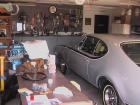

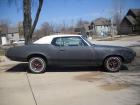
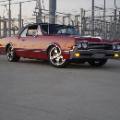

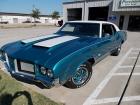
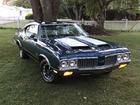
 I like the orange and white.