When you click on links to various merchants on this site and make a purchase, this can result in this site earning a commission. Affiliate programs and affiliations include, but are not limited to, the eBay Partner Network.
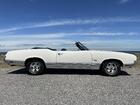
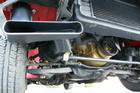
What is the name of the black material that seals this area, and how is it applied? It has become brittle on my 72 and is breaking off (pic below not my car).
The OP might be referring to the body caulk at the weld seam. If so, the 3M caulk strips can be purchased by the box to be pressed into the weld seam after the old brittle caulk is cleaned out.
A quick search on the googler reveals several vendors stocking the correct material.
Get the correct stuff, prep the surface properly for a professional OEM appearance. A heat gun is your friend for removal.
Its is not strip calk."dum dum", or a tape. It is a brush-able high viscus liquid specifically engineered for metal seam sealing.
Check Eastwood and your local wholesale body and paint supplier. They will have the professional product.
You wont find the proper quality material at the local house of china junk retailer. This is not a product to cut corners on.
Look around the car for other places that need a reapplication so you can use most of what you buy.
It doesn't have a very long shelf life.
A quick search on the googler reveals several vendors stocking the correct material.
Get the correct stuff, prep the surface properly for a professional OEM appearance. A heat gun is your friend for removal.
Its is not strip calk."dum dum", or a tape. It is a brush-able high viscus liquid specifically engineered for metal seam sealing.
Check Eastwood and your local wholesale body and paint supplier. They will have the professional product.
You wont find the proper quality material at the local house of china junk retailer. This is not a product to cut corners on.
Look around the car for other places that need a reapplication so you can use most of what you buy.
It doesn't have a very long shelf life.
So.....you did a quick google search, and found several vendors stocking the correct material but your not going to disclose what the correct material is.....
The original seam sealer on the cow/firewall was a oil/tar base material and it will usually scrape and/or lift off of the seam with a metal scraper. BEFORE you re-apply any new sealer MAKE SURE you use plenty of a solvent based liquid to thoroughly clean any residual calk/sealer or oils on the metal surfaces. Fail to do that and what you put back on there may not stick well.
You can get a cheaper solvent-based seam sealer from many places but that stuff tends to shrink quite a bit once the solvents in the sealer evaporate/dry. The original oil/tar-based sealers had a lot of "body" to them and didn't shrink like these cheaper new solvent based sealers do. These cheaper sealers may come in a single calk gun tube OR a one quart metal can (for brush on application).
You can get two part epoxy or urethane-based sealers for this application but the cost is much higher and you may have to buy a special dual-cylinder calk gun to apply the material.
Again, as droldsmorland mentioned earlier....you want the bare metal seam surfaces very clean and oil free before applying anything new on there.
There are some one part urethane sealers out there (3M for example) but again, they may require a special application "calk" gun. But....places on the internet can be found that sell these "meaner" specialized calk guns that will do the job...."knock-offs" (for lack of a better description) of the more expensive SEM, 3M, Fusor, etc branded guns.
There are also "flowable" seam sealers made but this may not be a area for using that type of sealer...especially the sides.
The original seam sealer on the cow/firewall was a oil/tar base material and it will usually scrape and/or lift off of the seam with a metal scraper. BEFORE you re-apply any new sealer MAKE SURE you use plenty of a solvent based liquid to thoroughly clean any residual calk/sealer or oils on the metal surfaces. Fail to do that and what you put back on there may not stick well.
You can get a cheaper solvent-based seam sealer from many places but that stuff tends to shrink quite a bit once the solvents in the sealer evaporate/dry. The original oil/tar-based sealers had a lot of "body" to them and didn't shrink like these cheaper new solvent based sealers do. These cheaper sealers may come in a single calk gun tube OR a one quart metal can (for brush on application).
You can get two part epoxy or urethane-based sealers for this application but the cost is much higher and you may have to buy a special dual-cylinder calk gun to apply the material.
Again, as droldsmorland mentioned earlier....you want the bare metal seam surfaces very clean and oil free before applying anything new on there.
There are some one part urethane sealers out there (3M for example) but again, they may require a special application "calk" gun. But....places on the internet can be found that sell these "meaner" specialized calk guns that will do the job...."knock-offs" (for lack of a better description) of the more expensive SEM, 3M, Fusor, etc branded guns.
There are also "flowable" seam sealers made but this may not be a area for using that type of sealer...especially the sides.