When you click on links to various merchants on this site and make a purchase, this can result in this site earning a commission. Affiliate programs and affiliations include, but are not limited to, the eBay Partner Network.
Any information about 1970 442 experimental called Apollo?
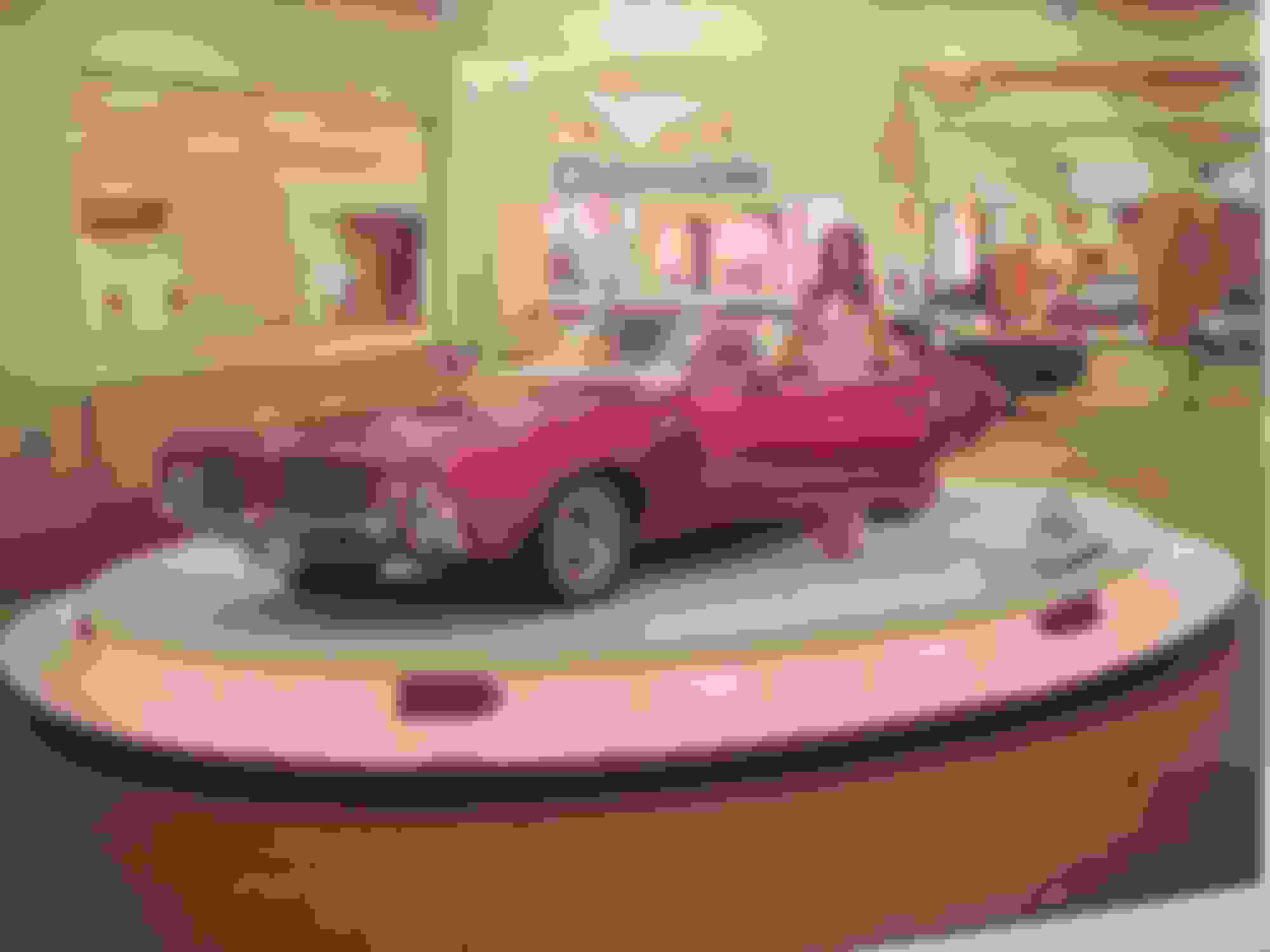
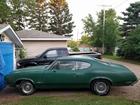
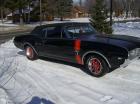
Anyone have any information.......{ or any never before seen photos } of the 1970 Detroit Auto Show, which was held in November 1969 in Detroit, MI ....of a Candy apple red 1970 442 W-25 convertible shown in the following photos, and called Apollo Experimental.....Article write up is from the "Lansing State Journal", Sunday Nov 16, 1969 of the 1970 Detroit Auto show that was currently taking place, at Detroit Cobo Hall. note: cars interior does resemble the well photographed previous 1969 442 Apollo with custom bucket seats and dual councils.
Last edited by Bens71442; Dec 12, 2018 at 07:30 AM.
For reference...... this is the 1969 Auto show car also called Apollo.......interior is similari to the Detroit auto show Apollo in Nov 1969. I believe these photos to be at the NY auto show......
Last edited by Bens71442; Mar 12, 2019 at 04:39 PM.
That 442 in the 2nd post is a '69 (the dash, wheel well trim and softer rear quarter panel are dead giveaways). But I'm really digging the 4 bucket-seat interior with red leather and black trim!
I wonder what happened to those experimental engines that were on display, I don't recall ever hearing about those before.
So I was scrolling, saw the red vinyl seats and black trim, and said, "Egad! That color and material package is best suited to a woman's dress, not Oldsmobile interiors!"
The Apollo is not an "experimental", it's just one of many showcars built over the years to test public reaction to various styling ideas and features. The 1954 F-88 is another such car, as were the 1954 Cutlass, the 1962 X-215, and the 1963 JT-R. FYI, the Apollo is a 1969 442, not a 1970. The tie in with Apollo 11 in 1969 should be obvious. I'll add that anyone criticizing the car colors or the outfits apparently was not alive in the 1960s.
The first pic posted is definitely a 1970 and the article is from November 1969 so that Detroit auto show would be featuring 1970 cars. So maybe they had two years of the Apoolo. The colors are a Batman vibe if you ask me. Definitely cool at the time and her outfit would be retro-cool today as well.
The first pic posted is definitely a 1970 and the article is from November 1969 so that Detroit auto show would be featuring 1970 cars. So maybe they had two years of the Apoolo.
You're right. I didn't look closely enough at the first photo. It appears to have the same four bucket seats. Interesting.
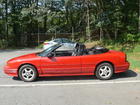
I remember seeing photos of the '69 Apollo in the Oldsmobile 75th anniversary commemorative book my dad gave me. Sadly, most of those show cars were scrapped after their time on the show circuit was done. A few were kept in GM's collection and even fewer eventually made it into private hands. I believe the '54 F-88 pictured in post #7 above is one of those survivors. It would take another couple of decades, but the rear buckets eventually moved from concept to production, albeit without that snazzy red and black color scheme, on Cutlass Supreme convertibles in the '90s. Unfortunately for me, '94 seems to have been the last year for that particular feature so my '95 has a conventional bench seat in the rear. That said, if I were to come across a set of rear buckets and a rear center armrest, I'd be sorely tempted to do a retrofit.
For reference...... this is the 1969 Auto show show car also called Apollo......., note interior similarities to the Detroit auto show Apollo in Nov 1969. I believe these photos to be at the 1969 Chicago auto show......
Very very cool pictures. I have never seen the car in color photos only black and white.
I find it interesting how low the car is sitting.
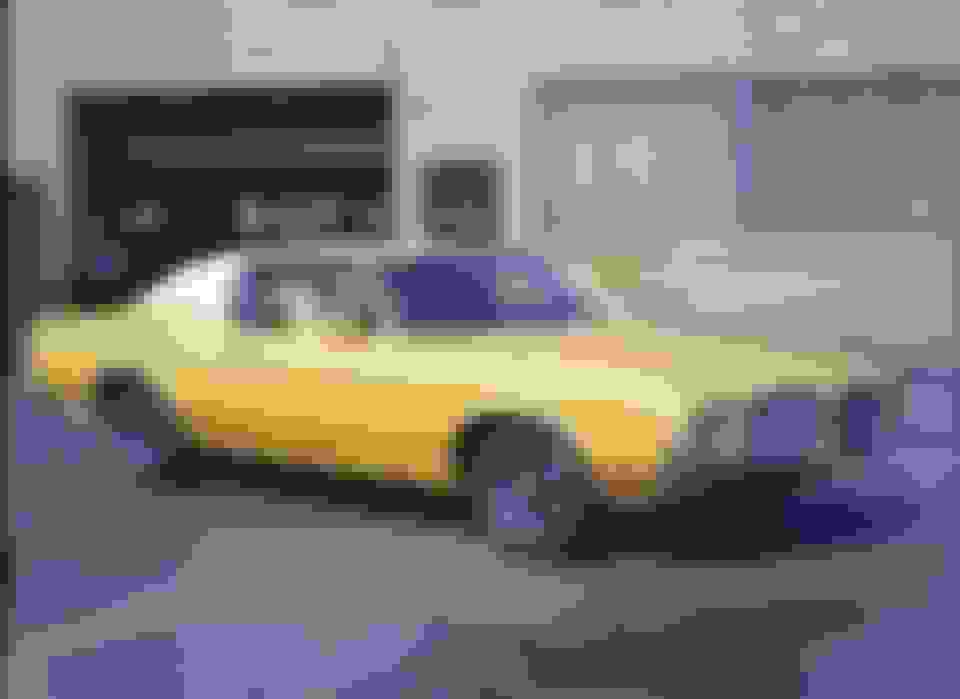
One year later - To far left of the photo, the 1971 Oldsmobile Contessa Show car can be seen. This is a 71 Cutlass Supreme with 70/71 Grand Prix roof. The Styling study/Show/Concept car carried from 1970-1972 The 71 Contessa is in a rose color (2nd pic) The Gold car has 1970 Rear view mirrors, 1971 Head lamp bezels and 1972 Supreme grilles.
Wild Guess: the '69 Apollo and the '70 Apollo are the SAME CAR, with different grille, dash, accessories, and updated sheetmetal welded in where needed. They basically "converted" a '69 to a '70.
It never occurred to me before that the Buick Apollo was named after the NASA moon rocket. In the same way that I never associated Ford's Mustang with the WWII P-51 aircraft it was named for.
On April 17, 1964 the Ford Motor Company introduced the Ford Mustang car to the world.
It turns out that John Najjar Ferzely, a fan of the P51 Mustang aircraft and executive stylist for the Ford Motor Company, is credited by Ford for having suggested the name. Ferzely was an aviation enthusiast who saw the sleek lines of the original concept of the Ford Mustang as similar to the ines of the P51 Mustang.
After the company properly vetted the name (which also was connected to the wild horses of the west) the name was applied to the first show car and then to the production version of the Ford Mustang.
Today many still love the Ford Mustang which has a strong following among car enthusiasts.
Why so much confusion over the source of the name? No conclusive documentation exists, and human memories are imperfect at best. Count the number of people who claim to have witnessed Jimi Hendrix playing the “Star Spangled Banner” at Woodstock in the summer of 1969, for example, and the population at Max Yasgur’s farm would have been many times the roughly 400,000 people in attendance.
R.H. Bob Maguire, my boss, and I were looking through a list of names for the car. I had been reading about the P-51 Mustang airplane and suggested the name Mustang in remembrance of the P-51, but Bob thought the name as associated with the airplane was too ‘airplaney’ and rejected that idea. I again suggested the same name Mustang, but this time with a horse association because it seemed more romantic. He agreed and we together selected that name right on the spot, and that’s how it got its name.