When you click on links to various merchants on this site and make a purchase, this can result in this site earning a commission. Affiliate programs and affiliations include, but are not limited to, the eBay Partner Network.
Intake valves showing signs of oil/carbon deposits
Is this a sign that the valve seals are leaking? All 8 cylinders showing same issue. See attached photos.
- Oil consumption is at a slow rate
- No blue smoke
- No oil in coolant
- Valvoline 20W/50 (8 qts)
- 60 psi oil pressure
- Operating temp range 185 - 195 degrees
- Intake gaskets appear to have sealed properly
- 175 - 185 psi compression
- No PCV - breathers on each valve cover
- Oil around spark plug threads
Lack of a functioning PCV system will cause this condition. Reconnecting the factory system would be suggested. Also the addition of an oil catch can like a Moroso 85497 in the hose between the PCV valve and the intake will really help to keep the intake tract and valves free of oil deposits.
Lack of a functioning PCV system will cause this condition. Reconnecting the factory system would be suggested. Also the addition of an oil catch can like a Moroso 85497 in the hose between the PCV valve and the intake will really help to keep the intake tract and valves free of oil deposits.
Lack of a functioning PCV system will cause this condition. Reconnecting the factory system would be suggested. Also the addition of an oil catch can like a Moroso 85497 in the hose between the PCV valve and the intake will really help to keep the intake tract and valves free of oil deposits.
I have the exact opposite opinion in that a functioning pcv can actually contribute this condition by inducting oily blow-by gases.
These deposits are also caused by worn valve seals and/or guides, intake reversion, and leaking intake gaskets.
Utilizing a pcv system would not prevent this. A catch can within a pcv system is the only way I would use it, (think of it as the filter for the air you are re-introducing into the intake tract).
Breathers only is fine but use 2 or more.
Using a detergent in the fuel occasionally would be a great idea to clean the back of the intake valve before this much build-up.
Yes, I agree with you Tim. There are 2 large Offenhauser valve cover breathers, one on each valve cover which is sufficient. This teardown began simply with wanting to change the intake manifold and carburetors. Today i removed the heads to send them off to a nearby engine shop to be hot tanked. I'll check the valve guides for wear as well as ensuring the correct size valve seals are installed. This cam uses a dual valve spring set-up with positive stop valve seals.
The intake gaskets upon inspection appear to have sealed correctly as well has the head gaskets I did notice a small amount of oil in the #2 cylinder, all others were dry. As I mentioned with my initial post, all 8 cylinders have oil and/or carbon deposits on intake valves. The engine was assembled in 2008-9 and not run until 2018 - not sure if this would cause issue with the valve seals hardening or deteriorating. Car is driven approximately 500 miles/year with approximately 2,000 miles on engine.
The car always ran strong: no blue smoke upon start up, no hesitations, bogging or knocking. Oil consumption of a quart or so per driving season. I change oil and filter each year in spring. The new intake is an Edelbrock dual plane O65 with dual Edelbrock 1406 (600 cfm) carbs.
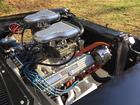
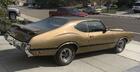
Here are a few pictures of the cylinders and heads:
You want some oil on the valve stems in the valve guides. The pistons look like "fried oil". I would check valve stems and guides for wear and clearance. One quart of oil usage in 500 miles sounds excessive to me.