When you click on links to various merchants on this site and make a purchase, this can result in this site earning a commission. Affiliate programs and affiliations include, but are not limited to, the eBay Partner Network.
What's the difference in a Cutlass S Hardtop or a Cutlass S Holiday Coupe? I have a W-29 optioned L-34 442 and I can't see anything on the build sheet that would identify either.
Thanks,
Dan
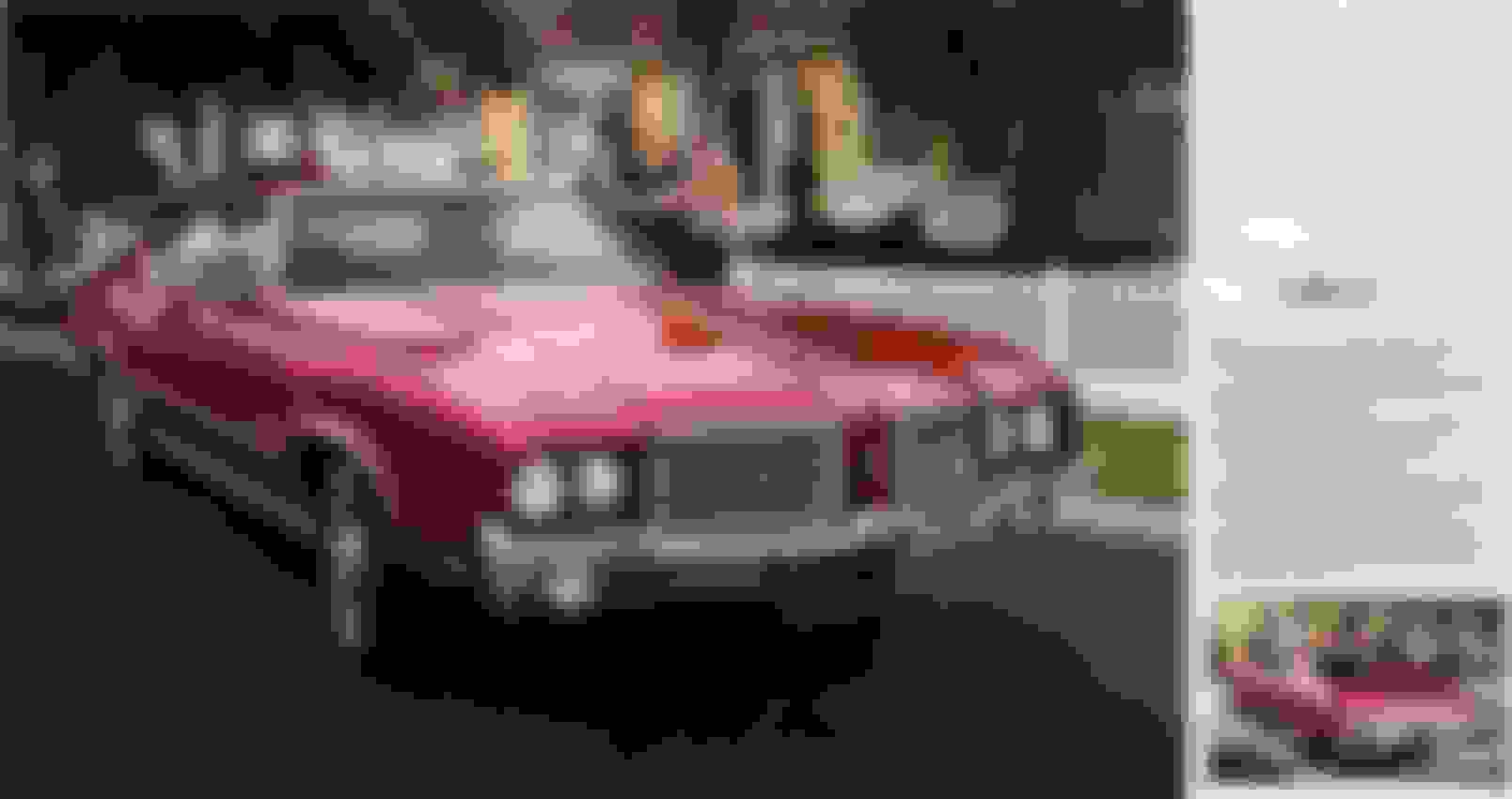
In Oldsmobile parlance, "hardtop" equals "Holiday." A hardtop coupe is a two-door car with no pillar between the rear and front windows on each side. Oldsmobile called this body style "Holiday coupe." If there is a pillar there, the style is commonly referred to as a "Post Coupe." Oldsmobile called this style over the years "Club Coupe" or "Sport Coupe."
For 1972, Oldsmobile called the 2-door Cutlass S with post "Cutlass S Sports Coupe." The 2-door with no post was called "Cutlass S Hardtop Coupe."
The VIN will tell you what body style it is. For the 1972 model year, it's the third and fourth characters of the VIN (for the 1965-71 cars it was the fourth and fifth characters). "77" is a Sport Coupe, "87" is a Hardtop Coupe (called a Holiday Coupe in prior years). This info will also be on the cowl tag.
For the 1972 model year, the W29 option was only available on four models, the Cutlass Hardtop Coupe (3F87xxx VIN), Cutlass S Sport Coupe (3G77xxx VIN), Cutlass S Hardtop Coupe (3G87xxx VIN), and the Supreme convertible (3J67xxx VIN).
But, why have both a hardtop and a coupe? Different purposes?
"Coupe" describes a 2dr, which could be either a hardtop or a sport coupe (with post). "Hardtop" means that there is no B-pillar and could be a 2dr (hardtop coupe) or a 4dr (hardtop sedan).
If your real question is, why did they have both a hardtop coupe and a sport coupe, well, in the 1960s and 70s automakers actually made cars in multiple body styles and even (GASP!) more than four colors. Today automakers have minimized body style, paint, and trim combinations to minimize production cost and maximize profits.
"Coupe" describes a 2dr, which could be either a hardtop or a sport coupe (with post). "Hardtop" means that there is no B-pillar and could be a 2dr (hardtop coupe) or a 4dr (hardtop sedan).
If your real question is, why did they have both a hardtop coupe and a sport coupe, well, in the 1960s and 70s automakers actually made cars in multiple body styles and even (GASP!) more than four colors. Today automakers have minimized body style, paint, and trim combinations to minimize production cost and maximize profits.
Makes sense since way more cars were ordered by the salesman with you sitting at the desk back then. More options to choose from before all the cost cutting started.
Makes sense since way more cars were ordered by the salesman with you sitting at the desk back then. More options to choose from before all the cost cutting started.
Exactly. I don't think my parents ever bought a car off the lot, they always ordered to their taste. Today people want instant gratification. In the 60s and 70s there were very few "packages", you picked and chose the options you wanted. That's how you got a car with A/C and manual brakes and three-on-the-tree.
The post cars were cheaper to make and cheaper to sell. There's no drawback to the hardtop cars except maybe a little heavier, so it was about offering cars at different price points. The trim reflects this. Holiday Coupes had nicer trim.
The post cars were cheaper to make and cheaper to sell. There's no drawback to the hardtop cars except maybe a little heavier, so it was about offering cars at different price points. The trim reflects this. Holiday Coupes had nicer trim.
Yeah, I hear that, but I'm struggling to understand exactly what was less expensive to make. As far as the Olds A-body cars were concerned, the Sport Coupes had more body pieces and more assembly processes and welds than did the hardtops, The basic body shell was the same - roof, gutter, inner structure, quarter panels, etc. The doors had the extra assembly process of adding the window frames. The rear quarters similarly had added assembly labor to install the rear window frames. The only place where there was a substantive difference in parts count was the window regulators for the doors and rear quarters. Since the windows ran in tracks all the way up, the post car regulators were somewhat simplified. The window installation and adjustment process was similarly less labor intensive for the Sport Coupes.
As far as the weight difference, it was only in the tens of pounds, and most of that was due to lighter weight sound deadening and lower-grade interiors that had nothing to do with the post vs hardtop differences. Arguably, the post car shell should be marginally stiffer than a hardtop, but again I suspect that is negligible. Frankly, the post cars were always the loss leaders. This was likely due to the introduction of the Holiday (hardtop) body style in the 1950s as the "upscale" models. That was pretty much the same marketing and branding success as the "Rocket V8" campaign.
Interesting thoughts. Why?? Maybe there was a market for the post cars because the older guys thought they were safer?? (As in roll over protection?) It does seem odd that they would continue with 2 different designs. And they even did it with 4 doors! Cutlass for sure and seems I remember 4 door hardtop Chevelles, not sure about Pontiac and Buick. Were there 4 door hardtop AMC's, Chryslers, Fords???
Exactly. I don't think my parents ever bought a car off the lot, they always ordered to their taste. Today people want instant gratification. In the 60s and 70s there were very few "packages", you picked and chose the options you wanted. That's how you got a car with A/C and manual brakes and three-on-the-tree.
In today's world of rebates, qualifying vehicles have to be sold off dealers lots...special orders generally do not qualify. This defaults your options to what the mfg. and dealers says you want / need as most folks want that rebate and the instant gratification.
Another observation...once the deal is done, the dealer damned near insists that you drive your new vehicle home right-now-today. No matter how much stuff you want to remove from your trade. Once the contract is signed, they want that sucker off the lot.
On a personal level...the more cubby holes and storage opportunities they put in these trucks...the more I fill them up!
Interesting thoughts. Why?? Maybe there was a market for the post cars because the older guys thought they were safer?? (As in roll over protection?) It does seem odd that they would continue with 2 different designs. And they even did it with 4 doors! Cutlass for sure and seems I remember 4 door hardtop Chevelles, not sure about Pontiac and Buick. Were there 4 door hardtop AMC's, Chryslers, Fords???
None. They are the same car. S was used for the years when there was the Formal Roofline body, ie notchback. Olds called it the Cutlass Supreme, Chevy called it the Monte Carlo. The Cutlass S was the fastback car. So, in 70-72, there were Cutlass S and Cutlass Supreme bodies. An F-85 was a Cutlass S body.
Cutlass S did not exist for 63-67 for sure, and I don't think it did for 68 or 69 either, it was just Cutlass, and the Supreme was a trim.
Edit: I should say, given Joe's comment below, that I'm talking about the sheetmetal.
What are the differences between a Cutlass Hardtop and a Cutlass S Hardtop?
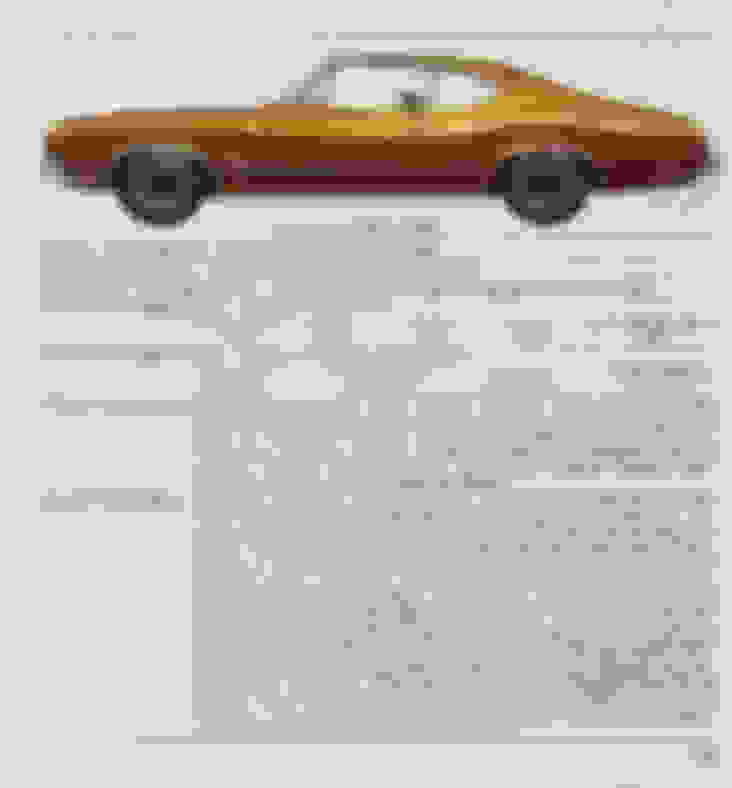
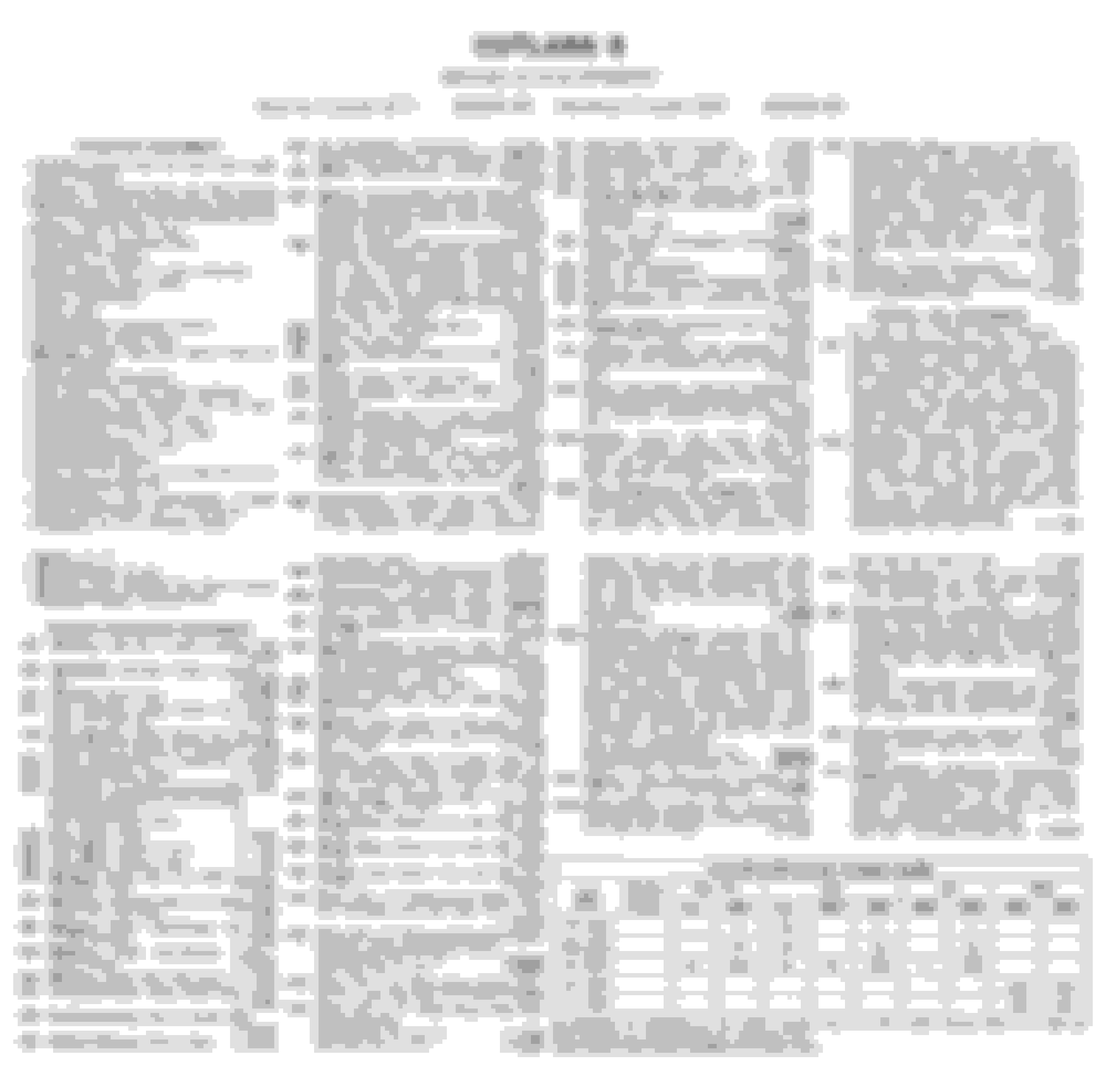
They are just different trim levels with different standard equipment in the base price. For the 1972 model year, the "Cutlass Hardtop" was a 32xx body code, which USED to be the F-85. Olds went through a little nameplate inflation that year. The "Cutlass S Hardtop" was a 36xx body code. You can read the differences in the base equipment in the LH columns of these two pages from the SPECS booklet. Note, for example, that the Cutlass Hardtop Coupe came standard with rubber floor covering (just like the older F85s). The Cutlass S came with carpeting. The Cutlass S Hardtop came with stainless rocker and wheel opening trim, the Cultass Hardtop did not (again, just like the F85). Bucket seats were an available option on the Cutlass S Hardtop, but not on the Cutlass Hardtop (also, just like the F85). There was a $114 difference in MSRP base price between the two.
They are just different trim levels with different standard equipment in the base price. For the 1972 model year, the "Cutlass Hardtop" was a 32xx body code, which USED to be the F-85. Olds went through a little nameplate inflation that year. The "Cutlass S Hardtop" was a 36xx body code. You can read the differences in the base equipment in the LH columns of these two pages from the SPECS booklet. Note, for example, that the Cutlass Hardtop Coupe came standard with rubber floor covering (just like the older F85s). The Cutlass S came with carpeting. The Cutlass S Hardtop came with stainless rocker and wheel opening trim, the Cultass Hardtop did not (again, just like the F85). Bucket seats were an available option on the Cutlass S Hardtop, but not on the Cutlass Hardtop (also, just like the F85). There was a $114 difference in MSRP base price between the two.
Ok, thanks Joe...that makes sense. So obviously there was no F-85 in 1972, right?
Ok, thanks Joe...that makes sense. So obviously there was no F-85 in 1972, right?
Not a two door. The only F85-badged model in 1972 was the Town Sedan (four door post - top right in the page from the dealership brochure below), though that was also a 32xx body code. Note that in addition to the F85 Town Sedan, there was also a Cutlass Town Sedan, which was a 36xx body code, same as the Cutlass S two door models.