


Your thoughts, 1968 442


Thread Starter
Registered User
Joined: Apr 2025
Posts: 91
From: Long Island NY
Your thoughts, 1968 442
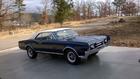
Hi there, ive recently purchased and started working on my first car, a 1968 442 with a 4 speed, and i wanted to get your takes on how i should restore it. Is there anything you recommend i add, change, upgrade, replace, etc..?So far ive been thinking as stock as possible. Is there anything you guys would recomend doing to the car while restoring it? Any and all thoughts on the subject are more than welcome!

Running On Empty
Joined: Jul 2018
Posts: 26,066
From: Earth
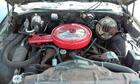
Will this be a daily driver you intend to use for near-daily activities both in town & highway cruising? IMO, safety items are likely first items to address - tires, wheels, brakes, steering, suspension (i.e. brake lines, calipers, brake pads, drums, rotors, brake booster, brake master cylinder, parking brake, etc.). Engine health: perform a basic cylinder compression test to gain a glimpse of general engine health, examine vacuum hoses, check for vacuum hose leaks, disconnects, ruptured hoses, carburetor leaks, intake manifold leaks, exhaust manifold leaks, carburetor rebuild(?).
With that said - you MUST own a 1968 GM Oldsmobile Chassis Service Manual (CSM). Without the CSM (bible for your car) you'll be like a fish out of water. Therefore, if you don't own this manual buy it now. Many available on eBay in various states of repair/condition, many w/ free shipping. Do your own search(es) find one you can afford which suits your pocket book; but, make no doubt about it - you need the CSM to work on your car.
https://www.ebay.com/itm/16739621737...90.c101224.m-1
With that said - you MUST own a 1968 GM Oldsmobile Chassis Service Manual (CSM). Without the CSM (bible for your car) you'll be like a fish out of water. Therefore, if you don't own this manual buy it now. Many available on eBay in various states of repair/condition, many w/ free shipping. Do your own search(es) find one you can afford which suits your pocket book; but, make no doubt about it - you need the CSM to work on your car.
https://www.ebay.com/itm/16739621737...90.c101224.m-1
Registered User
Joined: Aug 2019
Posts: 2,089
Nice and yes, that's your best bet as far as maintaining maximum value and minimizing upkeep complications. At least in the sense that you won't need several additional sets of notes to properly address all mods that stray from factory.
Congrats on purchasing a helluva car.
Congrats on purchasing a helluva car.
Thread Starter
Registered User
Joined: Apr 2025
Posts: 91
From: Long Island NY
Will this be a daily driver you intend to use for near-daily activities both in town & highway cruising? IMO, safety items are likely first items to address - tires, wheels, brakes, steering, suspension (i.e. brake lines, calipers, brake pads, drums, rotors, brake booster, brake master cylinder, parking brake, etc.). Engine health: perform a basic cylinder compression test to gain a glimpse of general engine health, examine vacuum hoses, check for vacuum hose leaks, disconnects, ruptured hoses, carburetor leaks, intake manifold leaks, exhaust manifold leaks, carburetor rebuild(?).
With that said - you MUST own a 1968 GM Oldsmobile Chassis Service Manual (CSM). Without the CSM (bible for your car) you'll be like a fish out of water. Therefore, if you don't own this manual buy it now. Many available on eBay in various states of repair/condition, many w/ free shipping. Do your own search(es) find one you can afford which suits your pocket book; but, make no doubt about it - you need the CSM to work on your car.
https://www.ebay.com/itm/16739621737...90.c101224.m-1
With that said - you MUST own a 1968 GM Oldsmobile Chassis Service Manual (CSM). Without the CSM (bible for your car) you'll be like a fish out of water. Therefore, if you don't own this manual buy it now. Many available on eBay in various states of repair/condition, many w/ free shipping. Do your own search(es) find one you can afford which suits your pocket book; but, make no doubt about it - you need the CSM to work on your car.
https://www.ebay.com/itm/16739621737...90.c101224.m-1

Running On Empty
Joined: Jul 2018
Posts: 26,066
From: Earth
Following up on something Phil stated which I was going to say earlier: Get yourself a good notebook, if not, make notes in a Word document, Excel spreadsheet or however you care to take notes. Strive to document where you are & where you're heading w/ dates & mileage, etc. Some example pages/headings - good headings/pages can be derived by following the CSM chapter headings:
BRAKES
Diagnostics/Troubleshooting
TRANSMISSION
CLUTCH
ENGINE
SUSPENSION
COOLING/RADIATOR
ELECTRICAL
Dash, Instrument Lamps, Backup, Rear, Headlamps, etc.
HVAC
Often overlooked but helpful, write down part numbers, price, vendor(s). Saves a buttload of time when you finally get around to looking things up.
BRAKES
Diagnostics/Troubleshooting
TRANSMISSION
CLUTCH
ENGINE
SUSPENSION
COOLING/RADIATOR
ELECTRICAL
Dash, Instrument Lamps, Backup, Rear, Headlamps, etc.
HVAC
Often overlooked but helpful, write down part numbers, price, vendor(s). Saves a buttload of time when you finally get around to looking things up.
Administrator
Joined: Oct 2009
Posts: 42,497
From: Poteau, Ok
How you restore it depends on its current condition, what you intend to use the car for, and your budget. If you want to approach this as a purist, make sure your pockets are deep, it's expensive. The steering wheel has an aftermarket wrap on it that can be removed by undoing the lacing.
Running On Empty
Joined: Jul 2018
Posts: 26,066
From: Earth
I "think" that's an aftermarket grip/cover, perhaps? 1968 model year is not my forte. I've owned 1967/1972 (4-4-2s) & 1971 CS convertible. There were generally several styles of steering wheels available as an option or std. equipment. Should you elect to upgrade w/o the expense of purchasing a new wheel itself, Wheelskins is a great option. Installed the Euro-Tone Two Color.

Registered User
Joined: Jan 2010
Posts: 6,105
From: central Indiana
If your goal is to daily drive it, or just make a comfortable fun car, this is how I would go about it:
Make sure the brakes and suspension is good. Things like tires, control arm bushings, steering parts, etc. In my opinion, the best bang for the buck would be a steering gearbox change. I put a gearbox from a 86 442 on my 69, it’s a night and day difference. The turns lock to lock now feel like they belong on a car instead of a boat, and the “road feel” is much better. I describe the steering sensation as having “power steering” instead of “powerful steering”.
Once the car is safe to drive, now make sure it’s reliable. Look for previous wiring repairs or modifications. If you see cheap butt connectors or god forbid, wire nuts, look thing over VERY carefully. Make sure all the lights work correctly.
Once your sure you have a solid safe foundation, then you can think about what you want to do next.
Make sure the brakes and suspension is good. Things like tires, control arm bushings, steering parts, etc. In my opinion, the best bang for the buck would be a steering gearbox change. I put a gearbox from a 86 442 on my 69, it’s a night and day difference. The turns lock to lock now feel like they belong on a car instead of a boat, and the “road feel” is much better. I describe the steering sensation as having “power steering” instead of “powerful steering”.
Once the car is safe to drive, now make sure it’s reliable. Look for previous wiring repairs or modifications. If you see cheap butt connectors or god forbid, wire nuts, look thing over VERY carefully. Make sure all the lights work correctly.
Once your sure you have a solid safe foundation, then you can think about what you want to do next.
Last edited by matt69olds; May 8, 2025 at 01:43 PM.

Registered User
Joined: Jan 2020
Posts: 2,896
From: Sarasota Florida
Start by changing any old rubber hoses, this will include fuel lines which have small sections of rubber hoses under the car by the tank and front door along with water and heater hoses etc. Make sure the tires are in good shape not older than grandmas corn cob pipe. Check for proper balance, change all fluids, oil,trans etc, carb filter and fuel filter replaced, check for exhaust leaks and drive it.. see if the front end is tracking straight, shifting good and idling/ accelerating smoothly. If not get that done.. Now you can take it for a drive and see how you want to proceed on your build. Most of the time these old cars have worn out A arm bushings, sway bar rubbers need changed and a lot of time rear control arm bushings will tighten things up nice. You will be surprised how well a stock 68 442 rides and handles if the essentials are replaced . Best to you on your first Olds, My first was a 62 f85, then 67 delmont 88 drop top and then at 17 I got my first 68 442 convertible and was HOOKED!!
Registered User
Joined: Aug 2013
Posts: 12,810
From: Evansville, IN
It depends on how it is now, but, like others have said.
Fluids: engine oil and filter, trans gear oil, rear end oil, antifreeze, brake fluid, power steering fluid, front bearing grease, all zircs on steering and front suspension greased.
Rubber: tires, radiator hoses, heater hoses, belts, fuel lines. Check for gas filter near carb. Get a metal pump to carb line if that one is cut or missing. Get a new spare tire, too.
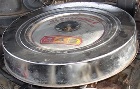
Battery, air filter, check all exterior bulbs.
Bleed the brakes, look at the pads and shoes. DOT3 fluid.
Start running ethanol free gas of whatever highest octane you can find. Consult pure-gas.org.
Check timing, dwell, idle quality. Check the points and the rotor. Look at a spark plug or 4.
Jack it up and wiggle all the wheels for bearing slop. Spin them to listen to noise.
Securely lift it and check exhaust hangers.
Look for fluid leaks down there.
See if anything is bad rusty like fuel hard lines or brake tubes.
If it has AC, figure out if it's been converted to R134A and get back to us on that.
Carry: a better jack, a fire extinguisher, a tool bag, a column lock or club, and a pistol.
Fluids: engine oil and filter, trans gear oil, rear end oil, antifreeze, brake fluid, power steering fluid, front bearing grease, all zircs on steering and front suspension greased.
Rubber: tires, radiator hoses, heater hoses, belts, fuel lines. Check for gas filter near carb. Get a metal pump to carb line if that one is cut or missing. Get a new spare tire, too.
Battery, air filter, check all exterior bulbs.
Bleed the brakes, look at the pads and shoes. DOT3 fluid.
Start running ethanol free gas of whatever highest octane you can find. Consult pure-gas.org.
Check timing, dwell, idle quality. Check the points and the rotor. Look at a spark plug or 4.
Jack it up and wiggle all the wheels for bearing slop. Spin them to listen to noise.
Securely lift it and check exhaust hangers.
Look for fluid leaks down there.
See if anything is bad rusty like fuel hard lines or brake tubes.
If it has AC, figure out if it's been converted to R134A and get back to us on that.
Carry: a better jack, a fire extinguisher, a tool bag, a column lock or club, and a pistol.

Registered User
Joined: Apr 2025
Posts: 50
I am going though something similar although my '68 is a restomod. I've done a couple other non-Olds cars that had been sitting. I take nothing for granted and even though this thing is 'new' by comparison. At this point I wouldn't worry about the small stuff like steering wheel covers.
I prefer to keep it OEM unless I have some very good reason to change, you can always modify it later once you've driven it a while. I generally get them up in the air and inspect them front to back looking at fuel and brake lines, body, engine and trans mounts, u joints and for leaks. Check the fluid level in the trans and rear end while you're at it.
As long as it runs and shifts then it's brakes, steering and tires. I check date codes and get rid of tires at the 10 year mark and don't care what they look like. I had a hunk of sidewall the size of my hand just fly off a front tire one day on a set that appeared to be perfect and new tires are a lot cheaper than a new car or a hospital bill. Fortunately I was only a mile from home but if that happened at speed ...... ooof.
In New York an annual safety inspection is mandatory. It's only ten bucks and in addition to brakes and steering it's to make sure the lights and turn signals work, even the rear license plate light bulb. To me that's worth ten bucks and fifteen minutes. Some shops will just slap the sticker on as they can't be bothered. I have one that actually does that but sometimes another set of eyeballs catches something I missed.
What you're doing is the fun part, at least to me. Going through it and checking out, knowing what you really have and making it safe makes it yours. Until then it's just a car you bought. Good luck !
I prefer to keep it OEM unless I have some very good reason to change, you can always modify it later once you've driven it a while. I generally get them up in the air and inspect them front to back looking at fuel and brake lines, body, engine and trans mounts, u joints and for leaks. Check the fluid level in the trans and rear end while you're at it.
As long as it runs and shifts then it's brakes, steering and tires. I check date codes and get rid of tires at the 10 year mark and don't care what they look like. I had a hunk of sidewall the size of my hand just fly off a front tire one day on a set that appeared to be perfect and new tires are a lot cheaper than a new car or a hospital bill. Fortunately I was only a mile from home but if that happened at speed ...... ooof.
In New York an annual safety inspection is mandatory. It's only ten bucks and in addition to brakes and steering it's to make sure the lights and turn signals work, even the rear license plate light bulb. To me that's worth ten bucks and fifteen minutes. Some shops will just slap the sticker on as they can't be bothered. I have one that actually does that but sometimes another set of eyeballs catches something I missed.
What you're doing is the fun part, at least to me. Going through it and checking out, knowing what you really have and making it safe makes it yours. Until then it's just a car you bought. Good luck !
Last edited by Pigfarmer; May 8, 2025 at 03:56 PM.
Registered User
Joined: Jul 2012
Posts: 2,990
From: Vancouver BC
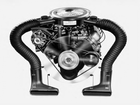
The 400G is more than adequate for a cruiser. I find most do not require the speed parts that are recommended as most cars are not driven that hard. As for value like everyone else has said it comes down to personal preference. I prefer post cars that are low optioned other like coupes that are heavily optioned.
.

Registered User
Joined: Jul 2008
Posts: 5,508
From: Seneca Falls, NY
Why?
The 400G is more than adequate for a cruiser. I find most do not require the speed parts that are recommended as most cars are not driven that hard. As for value like everyone else has said it comes down to personal preference. I prefer post cars that are low optioned other like coupes that are heavily optioned.
.
The 400G is more than adequate for a cruiser. I find most do not require the speed parts that are recommended as most cars are not driven that hard. As for value like everyone else has said it comes down to personal preference. I prefer post cars that are low optioned other like coupes that are heavily optioned.
.
I could have built either and my 400 went in a corner

Registered User
Joined: Dec 2014
Posts: 16,712
^^^ Can't fault the logic -- 455 looks like a 400, performs like a 455 and you can keep the numbers-matching G-motor in a corner of the garage. Have your cake and eat it -- what's not to like?
That said, my '69 retains its original G-block and that won't change during the remainder of my ownership.
That said, my '69 retains its original G-block and that won't change during the remainder of my ownership.

Thread
Thread Starter
Forum
Replies
Last Post


