

Hello everyone I’m currently in the market for late 70s to early 80s olds delta 88 2 door I’m planning on keeping it and want to use is as a commuter going from Dallas to Odessa about once a month since I work in the oil rigs was wondering how the maintenance and longevity is on these are with proper maintenance thanks.

Registered User
I'd avoid an '81 as it was the first year for CCC Computer Command Control. I'd also avoid any CCC car that had been doctored or modified. A CCC car in well maintained original condition would be good. '80 and earlier were reliable with regular maintenance. Some 88's had other GM division engines, personally I'd only want an Oldsmobile Division V8.

Registered User
Back in the late 70s, and early 80s, I owned several of these cars. Never had any problems with 100k+ miles. Take the advise, don't buy an 81, or a diesel unless you want multiple projects. It's got to have an Olds engine also. The VIN will tell you this information.
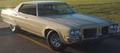
Moderator
You can also ID an Olds engine by the front oil fill tube behind the water pump.
I think there was a lawsuit back in the day against Oldsmobile because folks got Chevy (or corporate GM) engines in their Oldsmobiles.
I think there was a lawsuit back in the day against Oldsmobile because folks got Chevy (or corporate GM) engines in their Oldsmobiles.

Registered User
Quote:
There was a lawsuit, but it wasn't because Olds was putting Chevy engines in their cars, it was because Olds was putting Chevy engines in their cars without telling the buyers of the cars. This happened only in 1977. For '78 and later, GM put a page in every dealer brochure detailing where its engines were made, which division made them, and what cars they might appear in.Originally Posted by Olds64
I think there was a lawsuit back in the day against Oldsmobile because folks got Chevy (or corporate GM) engines in their Oldsmobiles.
https://www.nytimes.com/1977/03/15/a...sinful-to.html
Registered User
Quote:
If I were you and going to do this with an old car, anyway, I'd go back a generation and get a '71 to '76 Delta 88. They're gorgeous, roomy, comfortable cars that don't have any computer control or anything like that, have very reliable engines, and are much simpler to do your own maintenance on.Originally Posted by Joey500
Hello everyone I’m currently in the market for late 70s to early 80s olds delta 88 2 door I’m planning on keeping it and want to use is as a commuter


Always room for one more
Quote:
https://www.nytimes.com/1977/03/15/a...sinful-to.html
Some time in the 80s I bought a bunch of show room brochures at a garage sale, and tucked inside an Oldsmobile brochure was a letter from Oldsmobile to (presumably) the people putting on the sale, that said something to the effect that, don't worry the engine in their new car was built by GM to the highest Oldsmobile standards and that Oldsmobile stands behind the engine, the car, and hopes they will be a return customer.Originally Posted by jaunty75
There was a lawsuit, but it wasn't because Olds was putting Chevy engines in their cars, it was because Olds was putting Chevy engines in their cars without telling the buyers of the cars. This happened only in 1977. For '78 and later, GM put a page in every dealer brochure detailing where its engines were made, which division made them, and what cars they might appear in.https://www.nytimes.com/1977/03/15/a...sinful-to.html
I worked at a couple Chevy dealers out of high school, late 80s, and all the Monroney labels said the parts and assemblies were sourced by GM worldwide. I suspected this came about because of the Chevy/Oldsmobile issue from 1977.
Registered User
Quote:
I know we're drifting a bit off the topic of this thread here, but I doubt that this statement from GM and Oldsmobile did much to mollify affected owners. Oldsmobile made its name on the famous Rocket V-8 as much as anything else, and many people bought an Oldsmobile specifically because they wanted an Oldsmobile engine. Sure, a Chevy engine would work, but if they wanted a Chevy engine, they could buy a Chevy and save some money on the purchase of the car.Originally Posted by slantflat
that said something to the effect that, don't worry the engine in their new car was built by GM to the highest Oldsmobile standards and that Oldsmobile stands behind the engine, the car, and hopes they will be a return customer.
As I recall reading, the fact that Olds had substituted Chevy engines didn't start to come to light until Olds owners took their cars in for service, and the service people found that parts for these supposedly Olds engine didn't fit. Imagine being the owner of one of these and getting a call from the service department saying guess what, your car has a Chevy engine.
As I also recall from the time, the reason that Olds did this at all was because the Olds 350 was certified for California use with their more stringent emission control requirements whereas the Chevy 350 was not. Sales were strong, and Olds couldn't produce engines fast enough to meet the demand, so they began putting the non-qualified Chevy engines into Oldsmobiles that were to be sold elsewhere in the country and putting the freed-up Olds engines into Chevys that were to be sold in California.
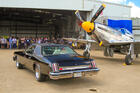
Proud Viet Nam Veteran
There is some really good advice above. I had a 78 Delta many years ago. It was one of the best cars I every owned. It was a very comfortable car. I wish I had kept it.
Registered User
Quote:
I'm with you Glenn, I ordered a new '79 coupe with WK2 brougham interior. Been looking for another one just like it for 30+ years now. Man, I miss that car..Originally Posted by redoldsman
There is some really good advice above. I had a 78 Delta many years ago. It was one of the best cars I every owned. It was a very comfortable car. I wish I had kept it.
Always room for one more
My grandmother owned a 79 Holiday coupe. Silver with brothel red interior. And, a 350 Olds. For a big car, that thing moved! The silver paint sucked, but it was an Illinois car and it had no rust. I wish she would have kept it, but my aunt talked her into trading it on a Taurus. The dealer gave her -0- for her trade.
Anyway, I can attest that the 79 Delta 88 is a wonderful car.
Anyway, I can attest that the 79 Delta 88 is a wonderful car.

1978 Ninety Eight
Quote:
As far as I know they're excellent cars and except the diesels have no design problems that would limit reliability. The only reliability issues come from age miles that it already has, especially rubber parts because rubber dries out over time, for example the fuel pump has a rubber diaphram. Give it a mechanical refresh with good replacements/rebuilds and once you work through whatever else pops up after getting it back on the road it shouldn't give you any trouble. When it comes to basic maintenance, you can do it yourself fairly easily. I will say that part of your maintenance program should be to drive it as much as possible, sitting is universally bad for cars. Originally Posted by Joey500
Hello everyone I’m currently in the market for late 70s to early 80s olds delta 88 2 door I’m planning on keeping it and want to use is as a commuter going from Dallas to Odessa about once a month since I work in the oil rigs was wondering how the maintenance and longevity is on these are with proper maintenance thanks.
Moderator
Thanks for the link Jaunty. I knew there was some sort of lawsuit back in the day.

I was actually thinking that the OP might consider going a bit newer. The FWD GM vehicles with the 3.8l v6 are known to be super reliable. The Olds 88 from 92-99 is pretty much the best car GM ever made.
Quote:
While I can't agree more that the 71-76 Oldsmobile B/C bodies were the best, I am a bit biased. Originally Posted by jaunty75
If I were you and going to do this with an old car, anyway, I'd go back a generation and get a '71 to '76 Delta 88.
I was actually thinking that the OP might consider going a bit newer. The FWD GM vehicles with the 3.8l v6 are known to be super reliable. The Olds 88 from 92-99 is pretty much the best car GM ever made.

Registered User
Quote:
I might be tempted to go one generation earlier than that, even. 1965-70 are even simpler and easier to maintain and performance benefits from higher compression and pre-smog era tuning. A little bit thirstier and pickier about their fuel maybe, but better performance and simpler maintenance is the tradeoff.Originally Posted by jaunty75
If I were you and going to do this with an old car, anyway, I'd go back a generation and get a '71 to '76 Delta 88. They're gorgeous, roomy, comfortable cars that don't have any computer control or anything like that, have very reliable engines, and are much simpler to do your own maintenance on.

Registered User
Quote:
Probably had a 403 though, right?Originally Posted by Bfg
I know it wasn’t an Olds, but I had a 78 Buick Park Ave that had 240,000 on it until I got rear ended and had to park it. Very reliable!
Registered User
Quote:
True about maintenance, but they are more difficult to find some parts for. Brake parts in particular, especially drums, can be difficult to find new. I had a '67 Delta 88 from 2009 to 2020, and I could never find new front drums for it. I made do with the originals. Most of this generation's cars did not have front disk brakes. They can be retrofitted, but a '71 to '76 will have them already on the car as standard equipment.Originally Posted by ThirdTry
I might be tempted to go one generation earlier than that, even. 1965-70 are even simpler and easier to maintain
This generation will also be a bit more modern in the area of safety. Shoulder belts will be on any '71 to '76 Olds you buy. Not true for all years of the '65 to '70 cars. The '71-'76'ers are definitely the happy medium here, in my opinion.
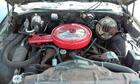
Registered User
Quote:
8th generation is a solid car. It meets all the criteria of a keeper.Originally Posted by Joey500
wondering how the maintenance and longevity is on these are with proper maintenance thanks.
Previous comments made are on point. I had a 1979 Eldorado with the 350 Olds diesel, stay away like the plague.
Stay as close to the beginning of the generation as possible. Biggest "Olds" engine and as far from computers as available.
Good looking cars. And coupes are icing on the cake. Best of luck.

That's a beauty, unfortunately it's not Olds powered.
https://www.orlandoclassiccars.net/v...obile-delta-88
1978 Ninety Eight
Quote:
I think the added complexity of pre CCC late 70s cars is way exaggerated. Generally all that's added is a catalytic converter, an EGR valve w/vacuum switch, evap canister, and maybe an AIR pump on the belt. That's about it. Definitely want the low compression engines for a commuter, a 350 is a pretty good balance between performance and fuel economy. When you drive something regularly the 8mpg of premium a 455 gets isn't necessarily a good thing.Originally Posted by ThirdTry
I might be tempted to go one generation earlier than that, even. 1965-70 are even simpler and easier to maintain and performance benefits from higher compression and pre-smog era tuning. A little bit thirstier and pickier about their fuel maybe, but better performance and simpler maintenance is the tradeoff.

Registered User
Buying premium really chaps my *** these days. Used to 15-25 cents more. Now its more than a full dollar more. I'd vote for a 77-79 olds or buick. Decent mileage and will be cheap to run.
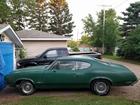
Out of Line, Everytime😉
Yeah, Premium is ridiculous up here, only 91 and our company is the only non ethanol. As said, I would go for a mint 77 to 80, Holiday 88 2 door. They look the best of this generation and have the bigger 350 or 403 from the factory. They are very reliable with proper maintenance.

Registered User
not the greatest gas mileage due to smog era carb car.
only problem I had was intake/head gaskets leaking and car running lean.. Composite intake gaskers solved it , so far 12 years later.
Fred
only problem I had was intake/head gaskets leaking and car running lean.. Composite intake gaskers solved it , so far 12 years later.
Fred


