


67 442 HP ratings

Thread Starter
Restorer
Joined: Jul 2009
Posts: 160
From: Frisco Texas
67 442 HP ratings
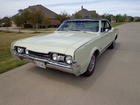
I have a 67 442 Automatic, my second after a 35 year emptyness...
My question is: Were there two HP ratings for the 442, 350 HP for a manual and 325 HP for an Automatic? Most of the information you see only lists 350 HP, but it seems like long ago I saw that the automatic cars had a different cam and were rated at 325 HP, which makes sense.
My question is: Were there two HP ratings for the 442, 350 HP for a manual and 325 HP for an Automatic? Most of the information you see only lists 350 HP, but it seems like long ago I saw that the automatic cars had a different cam and were rated at 325 HP, which makes sense.
Registered User
Joined: Dec 2014
Posts: 16,738
I have a 67 442 Automatic, my second after a 35 year emptyness...
My question is: Were there two HP ratings for the 442, 350 HP for a manual and 325 HP for an Automatic? Most of the information you see only lists 350 HP, but it seems like long ago I saw that the automatic cars had a different cam and were rated at 325 HP, which makes sense.
My question is: Were there two HP ratings for the 442, 350 HP for a manual and 325 HP for an Automatic? Most of the information you see only lists 350 HP, but it seems like long ago I saw that the automatic cars had a different cam and were rated at 325 HP, which makes sense.
Registered User
Joined: Oct 2010
Posts: 1,213
From: Dover, Ohio
I have a 67 442 Automatic, my second after a 35 year emptyness...
My question is: Were there two HP ratings for the 442, 350 HP for a manual and 325 HP for an Automatic? Most of the information you see only lists 350 HP, but it seems like long ago I saw that the automatic cars had a different cam and were rated at 325 HP, which makes sense.
My question is: Were there two HP ratings for the 442, 350 HP for a manual and 325 HP for an Automatic? Most of the information you see only lists 350 HP, but it seems like long ago I saw that the automatic cars had a different cam and were rated at 325 HP, which makes sense.
I believe in 68 they started having lower hp for auto W30 cars.
Last edited by Chesrown 67 OAI; Dec 27, 2017 at 07:37 AM.
Registered User
Joined: Dec 2014
Posts: 16,738

Old(s) Fart
Joined: Mar 2007
Posts: 50,832
From: Northern VA
To clarify a few things:
In the 1967 model year, there were three different cams used in the 400 motors in the 442s, the 278/282 deg cam used in AT cars, the 286/286 cam used in MT cars, and the 308/308 cam used in the W-30s. Despite the use of different cams, all non-W 442s were rated at 350 HP with any trans. Take this number with a grain of salt. The W-30 was rated at 360 HP, again with any trans. Vacuum operated accessories (PB, A/C, etc) were not available with the W-30.
In the 1968 model year, there were again three cams used in 442s, the 262/274 cam in AT cars, the 286/286 cam in MT cars, and the 328/328 cam in all W-30s. MT 442s were rated at 350 HP, AT 442s at 325 HP, and W-30s at 360 HP. Again, vacuum operated accessories were not available with the W-30.
The 1969 model year was a duplicate of the 1968 cams and engines, with the exception of the addition of the W-32. The W-32 used the same 286/286 cam as the MT motors and was rated at the same 350 HP.
In the 1970 model year, there were again three cams, the 285/287 cam used in all AT 442s (including the AT W-30 motors), the 294/296 cam used in MT 442, and the 328/328 cam used in the MT W-30 cars. Despite having different cams for MT and AT motors, both applications were rated at 365 HP. Despite having very different cams for MT and AT W-30 motors, both applications were rated at 370 HP. How the far less radical AT W-30 motor, using the same cam as the AT 442 motor, could make the same HP as the MT version remains a mystery. This less radical cam allowed AT W-30s to be available with PB and A/C for the first time.
In the 1967 model year, there were three different cams used in the 400 motors in the 442s, the 278/282 deg cam used in AT cars, the 286/286 cam used in MT cars, and the 308/308 cam used in the W-30s. Despite the use of different cams, all non-W 442s were rated at 350 HP with any trans. Take this number with a grain of salt. The W-30 was rated at 360 HP, again with any trans. Vacuum operated accessories (PB, A/C, etc) were not available with the W-30.
In the 1968 model year, there were again three cams used in 442s, the 262/274 cam in AT cars, the 286/286 cam in MT cars, and the 328/328 cam in all W-30s. MT 442s were rated at 350 HP, AT 442s at 325 HP, and W-30s at 360 HP. Again, vacuum operated accessories were not available with the W-30.
The 1969 model year was a duplicate of the 1968 cams and engines, with the exception of the addition of the W-32. The W-32 used the same 286/286 cam as the MT motors and was rated at the same 350 HP.
In the 1970 model year, there were again three cams, the 285/287 cam used in all AT 442s (including the AT W-30 motors), the 294/296 cam used in MT 442, and the 328/328 cam used in the MT W-30 cars. Despite having different cams for MT and AT motors, both applications were rated at 365 HP. Despite having very different cams for MT and AT W-30 motors, both applications were rated at 370 HP. How the far less radical AT W-30 motor, using the same cam as the AT 442 motor, could make the same HP as the MT version remains a mystery. This less radical cam allowed AT W-30s to be available with PB and A/C for the first time.
Registered User
Joined: Sep 2017
Posts: 5,220
From: St. Paul Minnesota
We got a little off topic on the '67 4-4-2 horsepower ratings. But, concerning the horsepower ratings in the late 60's and early 70's, car insurance was becoming a big factor in buying "performance cars". Insurance companies were charging the hell out of people with 4-4-2, GTO, GS and Chevelles.
GM instituted a rule of no less 10 to 1 weight/hp. The insurance companies were putting on surcharges and hurting sales.
1970 was also a year when horsepower ratings were under rated. 370 horsepower divided into 3707 pounds shipping weight (4-4-2 coupe) satisfied the GM "10 to 1 rule".
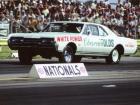
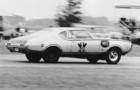
I am sure the 370 hp line crossed the horsepower graph some place, maybe just not at the peak horsepower. Those 328 degree cams made more horsepower and every W-30 raced in NHRA stock classes had one. NHRA "factored" Olds engines to provide fair competition during several years.
Ralph
GM instituted a rule of no less 10 to 1 weight/hp. The insurance companies were putting on surcharges and hurting sales.
1970 was also a year when horsepower ratings were under rated. 370 horsepower divided into 3707 pounds shipping weight (4-4-2 coupe) satisfied the GM "10 to 1 rule".
I am sure the 370 hp line crossed the horsepower graph some place, maybe just not at the peak horsepower. Those 328 degree cams made more horsepower and every W-30 raced in NHRA stock classes had one. NHRA "factored" Olds engines to provide fair competition during several years.
Ralph
Old(s) Fart
Joined: Mar 2007
Posts: 50,832
From: Northern VA

Registered User
Joined: Oct 2010
Posts: 1,213
From: Dover, Ohio
they didn't go to that 10lb "insurance standard" until maybe 70?
Registered User
Joined: Oct 2010
Posts: 1,213
From: Dover, Ohio
Registered User
Joined: Dec 2014
Posts: 16,738
No, this worked perfectly because the cars were delivered with sandbags in the trunk. Another little-known Oldsmobile corporate workaround.

Thread
Thread Starter
Forum
Replies
Last Post


