When you click on links to various merchants on this site and make a purchase, this can result in this site earning a commission. Affiliate programs and affiliations include, but are not limited to, the eBay Partner Network.
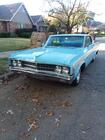
Hello. I have a 61 olds 98 with a 394 4 barrel. Stock carb. I have converted to an electric pump and insulated all my fuel lines. Fixed the sticky heat riser. I only use non ethanol fuel but still am having some vapor lock issues. Not as bad but annoying when it happens. I was thinking about installing a carb spacer. Aluminum or some type of fiber. Does anyone know where I might get one that will work for my application.. Thanks I appreciate it..
Hello. I have a 61 olds 98 with a 394 4 barrel. Stock carb. I have converted to an electric pump and insulated all my fuel lines. Fixed the sticky heat riser. I only use non ethanol fuel but still am having some vapor lock issues. Not as bad but annoying when it happens. I was thinking about installing a carb spacer. Aluminum or some type of fiber. Does anyone know where I might get one that will work for my application.. Thanks I appreciate it..
How do you know you have a percolation problem? Can you see the vapor rising from the carb? In any case, aluminum is the last material you want. It is a CONDUCTOR, not an insulator, and will transmit engine heat to the carb even faster.
If you really think you have a percolation problem, that would mean that fuel is spilling out of the carb and into the intake while the car is parked. If that is true, holding the pedal down while cranking will clear it.
What happens is when the car gets hot it starves for fuel and eventually stalls and will not run. I can smell it leaning out by the exhaust. I guess thats called Vapor Lock but I am not sure if the problem is the carb. I just read that if you isolate the carb from heat it can help sometimes. I did read that the fiber type spacers were the best but not even sure who would make one that would fit my car. Just thought it would be worth a try. Once the car cools down it runs again. The stuck heat riser was the main problem and it made a huge difference. It does run much better but still quits once in a while. Thanks!
Oh, and it seems to be worse if I have to set at idle. Makes sense building up heat under the hood like that. I thought about running a return line to the tank to circulate and cool the fuel but right now I am running a low pressure pump and would probably have to change that. Any ideas would be greatly appreciated..
Hi Homer80,
I had this happen on one of my 63's. The base gasket was a lot thinner then the original so I replaced it with a thicker one I had in a different carb kit. You might be able to double up on the base gaskets from the carb kit or engine rebuild kit. Check the thickness of the original base gasket if you still have it and maybe a parts store can find one.
Steve
One old remedy I heard of but never tried was to put clothes pins on your fuel line. This would be wooden clothes pins. It makes some sense they would dissipate the heat. I heard this years ago from several old timers. The biggest problem may be finding wooden clothes pins.
I have had this problem, but never in the winter. You should be able to find one through Mr Gasket but any fiber spacer for a 4GC carb will work I think they have one thats about 1/2 inch thick, common problem in the past and I think it is aggravated now by the alcohol fuel we now use.... Tedd
Need more data:
-First answer Joes Q about how you know its vapor locking.
-Verify fuel pump pressure with a gauge when cold & hot.
-Why did you install an electric pump and where is it located in the system?
-What type of pump is it? Push or Pull? Facet or rotary? Installed in the right flow direction?
-Type & octane of fuel you are using?
-When's the last time the carb was rebuilt?
-Stock fuel tank, lines, gas cap, and mechanical pump? Tank ever been down for a look at the sock and crud level?
-What are you using for a filter?
-At what ambient temperatures does this stalling occur? Where do you live?
One old remedy I heard of but never tried was to put clothes pins on your fuel line. This would be wooden clothes pins. It makes some sense they would dissipate the heat. I heard this years ago from several old timers. The biggest problem may be finding wooden clothes pins.
Sorry, but no. First, if you want to DISSIPATE heat, you need a conductor with large radiative surfaces, not an insulator with small area. Heat sinks on electronics are black aluminum not wood. The wood (insulator) goes between the carb and the heat source to block the conduction of heat from the engine. The aluminum (conductor and radiator) goes on the fuel line to radiate the heat away from the fuel.
“Need more data: -First answer Joes Q about how you know its vapor locking. -Verify fuel pump pressure with a gauge when cold & hot. -Why did you install an electric pump and where is it located in the system? -What type of pump is it? Push or Pull? Facet or rotary? Installed in the right flow direction? -Type & octane of fuel you are using? -When's the last time the carb was rebuilt? -Stock fuel tank, lines, gas cap, and mechanical pump? Tank ever been down for a look at the sock and crud level? -What are you using for a filter? -At what ambient temperatures does this stalling occur? Where do you live?“
I guess I do not know but it acts like it’s vapor locking as I understand the term (which may or may not be correct). I do not have a pressure gauge for that but that is a good suggestion. I read that an electric pump sometimes solves this sort of problem. I did confirm that the diaphragm pump would not pump when the car was hot. I pulled the fuel line off at the carb and cranked the car and no fuel. Car cools of and it pumped fuel again. Did this a couple times. Had similar result with the electric pump. It is mounted on the fender well. Like I previously stated things got much better once I figured out the heat riser was sticking which I remedied. Now the situation occurs much less frequently but still happens. It is a rotary pump by carter installed correctly. I did mount it back by the tank but it was way to noisy. Might have to go back to that though. I am using non ethanol fuel not sure what octane 87 or 89 I believe. First thing I did was rebuild the carb. The car barely ran when I got it and now it runs great when its not having this problem. Stock fuel tank with stock lines and gas cap. Never took tank down but the way the problem manifests I did not think that would be the first thing I’d do. I have an in line filter and the filter at the carb. I live in Florida. The heat is definitely a factor along with having to set and idle. I also wrapped the fuel line under the hood with a reflective aluminum cloth type thing I found for that purpose. Otherwise the car runs great! Thanks!
I have had this problem, but never in the winter. You should be able to find one through Mr Gasket but any fiber spacer for a 4GC carb will work I think they have one thats about 1/2 inch thick, common problem in the past and I think it is aggravated now by the alcohol fuel we now use.... Tedd
I think I might try that. Can’t seem to find a insulating fiber gasket for this carb.
Hi Homer80,
I had this happen on one of my 63's. The base gasket was a lot thinner then the original so I replaced it with a thicker one I had in a different carb kit. You might be able to double up on the base gaskets from the carb kit or engine rebuild kit. Check the thickness of the original base gasket if you still have it and maybe a parts store can find one.
Steve
"I do not have a pressure gauge for that but that is a good suggestion".
-Get one they are cheap.
"I read that an electric pump sometimes solves this sort of problem"
-Its a Band-Aid approach. The stock pump is more than sufficient. People will install electrics when the carb float bowl leaks causing hard starts after the car sits, again not addressing the root cause...Band-Aid approach.
"I did confirm that the diaphragm pump would not pump when the car was hot. I pulled the fuel line off at the carb and cranked the car and no fuel". Root cause is in this area"
-Bad pump and or lines feeding it.
-The tank needs to come down and the lines (steel & rubber) need to be verified as good and freely passing fuel. The rubber lines can look good and be cracked, collapsed or rotted. Fuel should easily pass from the tank pick up through the lines to the pump freely. If its getting to the pump OK and its not pumping then its the pump. A cracked line on the suction side may not always show as a leak yet will allow air to get in. This will have a significant effect on fuel delivery. Electric pumps should be pusher pumps mounted as close the tank as possible.
"Car cools of and it pumped fuel again. Did this a couple times. Had similar result with the electric pump".
-What's the pressure when it starts to pump again?
-That verifies the electric pump isn't the fix. You have an obstruction collapsed line bad pump or a combo of these faults.
Last edited by droldsmorland; Mar 31, 2023 at 10:11 AM.
Homer80 I'll throw this in for what it's worth. My completely stock, 90% original 63 Starfire with factory A/C runs like it did 60 years ago in summer Texas heat. The timing right down to the correct points, plugs, 4GC carb, fuel lines etc. is all set to GM specs. I got my 4GC parts from Mikes Carb's. It does have one of his new base gaskets on there never thought of the thickness but I don't have any issues either. I think I have an extra one of his I can measure the thickness for you. Is your 61 394 have A/C? if so the original 4GC for a 394 with A/C has a hot idle compensator in between the 2 primary venturis."The idle air compensator is used on some carburetor models to offset enrichment effects caused by excessive fuel vapors from fuel percolation, during extreme hot engine operation"
X2 on TheRobski's comments. I also had a 63 Factory air Starfire which I drove for 9 years in DFW summers and I never had any of the problems you describe. IMO, get rid of the electric pump and put on a correctly rebuilt factory pump. Rebuild your carb with good parts, the thicker base gasket is a good idea. Be sure your fuel lines are factory routed with no restrictions and while you are at it replace ALL the rubber line by the tank and up front with fuel injection quality hose. If your car has factory air you should have a smaller fuel return line between the pump and the tank, be sure it is there and functional. Lastly, follow some of the other comments and be sure you do not have a more general overheating problem that is taxing the fuel system. Good luck.
Thanks for all the suggestions. All good ideas. My car does not have factory air. I did find a thicker gasket and I am going to install that. In the meantime I tried a trick I read about on some forum about adding a pint of diesel to every 10 gallons of gas. According to the poster it increases the temperature at which gasoline becomes unstable. I did about half of that because I was unsure but two things happened. My noisy carter pump quieted right down to a purr and I have not had it quit again since. I have only drove it a couple of times so definitely not conclusive but interesting to me… It gives me hope that others have totally stock cars and they run fine in extreme heat I would prefer that it be original. The 93 octane gas is a good point. What octane are you running. Don R. And Therobski. Thanks again!
Homer80 I'll throw this in for what it's worth. My completely stock, 90% original 63 Starfire with factory A/C runs like it did 60 years ago in summer Texas heat. The timing right down to the correct points, plugs, 4GC carb, fuel lines etc. is all set to GM specs. I got my 4GC parts from Mikes Carb's. It does have one of his new base gaskets on there never thought of the thickness but I don't have any issues either. I think I have an extra one of his I can measure the thickness for you. Is your 61 394 have A/C? if so the original 4GC for a 394 with A/C has a hot idle compensator in between the 2 primary venturis."The idle air compensator is used on some carburetor models to offset enrichment effects caused by excessive fuel vapors from fuel percolation, during extreme hot engine operation"
Thanks for all the suggestions. All good ideas. My car does not have factory air. I did find a thicker gasket and I am going to install that. In the meantime I tried a trick I read about on some forum about adding a pint of diesel to every 10 gallons of gas. According to the poster it increases the temperature at which gasoline becomes unstable. I did about half of that because I was unsure but two things happened. My noisy carter pump quieted right down to a purr and I have not had it quit again since. I have only drove it a couple of times so definitely not conclusive but interesting to me… It gives me hope that others have totally stock cars and they run fine in extreme heat I would prefer that it be original. The 93 octane gas is a good point. What octane are you running. Don R. And Therobski. Thanks again!
Diesel is the last thing you want in your fuel tank.
Ignore some of the stupid stuff you see on the web.
93 octane is necessary because of the high compression ratio
These engines were spec'd to run on 95 or better octane.
They will run OK on 93.
Forget about looking for ethanol-free fuel.
Rebuild the carb and the fuel pump with ethanol resistant kits, if they haven't been rebuilt in the last twenty years.
Replace all the fuel hoses, and don't look back.
Just for the record vapor lock indicates fuel that overheats either before or after the fuel pump and vaporizes in the fuel lines. The fuel pump can't pump vapor and the fuel bowl, needle and seat and the carb can't manage mixing already vaporized fuel.
As Joe and others have said before, you have a fuel starvation problem that you can't readily identify as vapor lock. I think the first recommendation is to run through a tank or two of 93 octane fuel. Then replace all filters and ALL rubber fuel hoses, including the ones by the tank. After that if the problem persists inspect the metal gas lines coming from the tank to the fuel pump for pin holes (if you see any gas staining on the line anywhere you may have to replace the steel line. Next as people have already said get a fuel pressure gauge and temporarily install it. If the pressure is goes low when the car is having the problem, then it's not a carb or carb gasket problem it's a fuel system problem. The next suspects would be the fuel level sensor sock in the gas tank and perhaps debris in the tank clogging the sock, or the fuel pump. You have to approach the diagnosis methodically, not scatter shot as many people are recommending. Also you start with the things that cost the least amount of money. As you'll be upset if you spend $1000 on parts/labor and find out the problem was a $2 piece of rubber hose.