


1968 400 w-30 engine question


Registered User
Joined: Jul 2008
Posts: 5,506
From: Seneca Falls, NY
You just answered your own question. Every person I've known that owned one of these cars in the 60's and early seventies had the same thing happen (although a lot of people spun mains). My next door neighbor owned a 69 W30. He sold it and the kid that bought it had it blown up in a week. One missed shift.
Last edited by allyolds68; Jan 29, 2013 at 04:18 AM.

Motorhead
Joined: Jul 2012
Posts: 14
From: Toronto, Canada
Motorhead
Our 400 G block was .060 over and had great TQ and spun up real quick, I always felt it was a good engine. It might not make as much hp/tq as a 455 but it is 55cu less. I don't know why there is so much negative posts on this engine. Same heads,crank,rods as a 455. The engine pulled hard through a 1/4 mile and spun past 5500rpm with easy ,so easy it spun rod bearings.I know every one posts that the valve's are shrouded but they got them to run in the 12's in stock eliminator back in 69. When stock was stock in the glory days before the fall of the class.
These engines will produce high hp/torque, great for the street and keeping your car original.
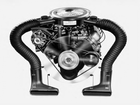
I will be switching to a lower highrise intake so I can run the original air cleaner in a couple of weeks, will let you know the dyno results at that time.
Registered User
Joined: Jul 2012
Posts: 2,990
From: Vancouver BC
You just answered your own question. Every person I've known that owned one of these cars in the 60's and early seventies had the same thing happen (although a lot of people spun mains). My next door neighbor owned a 69 W30. He sold it and the kid that bought it had it blown up in a week. One missed shift.
This was a big block problem not just a 400 big block problem.
I always felt that our 400 spun up quicker than 455 that we had.
I'm looking at a 69 442 on the weekend with the a original 400 engine. If I buy it I will take it to the track in the summer and see what it will do after some tuning.
Last edited by Bernhard; Jan 30, 2013 at 11:58 PM.
Registered User
Joined: Jul 2012
Posts: 2,990
From: Vancouver BC
For the engine not to spin bearings clearance must be larger than stock. Factory block,crank are weak and heavy pistons and rods + rods are soft. As engine rpm goes up the block flexes the crank flexes and the rods stretches. You end up with no oil between the rod bearing and crank or main bearings and crank. You have metal to metal contact. So to compensate for this flex,stretch,movement you need larger clearances.
This is my interpretation of what I read in the book.
I would get the book and give it a read and make your own interpretation!
The next engine I build will be with the guidance of this book
When Bill talks about weak he is talking HP engine builds not factory stock engines that stay with in normal rpm range.
This is my interpretation of what I read in the book.
I would get the book and give it a read and make your own interpretation!
The next engine I build will be with the guidance of this book
When Bill talks about weak he is talking HP engine builds not factory stock engines that stay with in normal rpm range.
Last edited by Bernhard; Jan 31, 2013 at 06:56 PM.
Registered User
Joined: Jul 2008
Posts: 5,506
From: Seneca Falls, NY
You should start another thread with the build details and dyno results.

Thread
Thread Starter
Forum
Replies
Last Post


