


72 442 clutch replacement


Thread Starter
Registered User
Joined: Jan 2021
Posts: 12
From: WI
72 442 clutch replacement
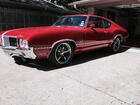
I have a few questions about replacing the clutch on my 72 442. It was a 350 auto. originally, and has been changed to an overhauled 455 and 4 speed.
I bought the car on BAT and have no way of contacting the guy who did the engine and trans swap.
It would appear, and I was told, that the car has very few miles sense the swap was done.
The pedal must be at the bottom of the travel to disengage. It takes quite quite a bit more effort to push down the pedal on mine than a friends 68 442 needs. It looks like the pedal assemblies and clutch linkage have been set up with new, probably aftermarket, parts. They work freely without any binding.
1. Any ideas on why it takes so much effort to disengage the clutch and why it would grab so low?
2. How can I tell if I have a 10.5" or 11" clutch before removing mine, so I can get a new setup if I need to replace mine without laying the car up for too long.?.
3. Is a 3 finger, or a diaphragm style clutch best.
4. Where is the best supplier to get the clutch kit from.
Thanks Jeff
I bought the car on BAT and have no way of contacting the guy who did the engine and trans swap.
It would appear, and I was told, that the car has very few miles sense the swap was done.
The pedal must be at the bottom of the travel to disengage. It takes quite quite a bit more effort to push down the pedal on mine than a friends 68 442 needs. It looks like the pedal assemblies and clutch linkage have been set up with new, probably aftermarket, parts. They work freely without any binding.
1. Any ideas on why it takes so much effort to disengage the clutch and why it would grab so low?
2. How can I tell if I have a 10.5" or 11" clutch before removing mine, so I can get a new setup if I need to replace mine without laying the car up for too long.?.
3. Is a 3 finger, or a diaphragm style clutch best.
4. Where is the best supplier to get the clutch kit from.
Thanks Jeff

Registered User
Joined: Mar 2010
Posts: 3,868
From: Mt.Ary, MD
Ok, someone explain why it needs 'x' amount of free play. Engaged is engaged; it doesn't matter how much play is in the pedal. DISengagement is more critical.
10.5 or 11 doesn't matter. Most flywheels I've seen have both sets of holes. Resurface before replacing.
I don't think 3 finger or diaphragm matters much, either. Diaphragms are allegedly smoother.
10.5 or 11 doesn't matter. Most flywheels I've seen have both sets of holes. Resurface before replacing.
I don't think 3 finger or diaphragm matters much, either. Diaphragms are allegedly smoother.
Last edited by fleming442; Jun 26, 2023 at 06:17 AM.
Registered User
Joined: Jul 2009
Posts: 3,209
From: St Augustine
A generic clutch fork can create problems along with the stud height in the bellhousing, I tried a “repro fork” didn’t work with stock (Olds) linkage. Also, throw out bearing, etc.
Gonna have to check everything, hope you have an Assembly Manual.
Gonna have to check everything, hope you have an Assembly Manual.

Old(s) Fart
Joined: Mar 2007
Posts: 50,802
From: Northern VA
There isn't any adjustment left in the clutch rod to the fork? A high force clutch is usually a sign of an aftermarket clutch. This can also alter the installed height of the pressure plate fingers, which would in turn create insufficient adjustment in the clutch rod. On one of my cars I had to use a longer aftermarket clutch rod to get the proper adjustment. I've found Centerforce clutches to be the best compromise of good clamping force without excessive pedal force.
Old(s) Fart
Joined: Mar 2007
Posts: 50,802
From: Northern VA
Registered User
Joined: Mar 2010
Posts: 3,868
From: Mt.Ary, MD
I fried 2 Centerforces; it looked like a bird's nest in the bellhousing. I also don't like the idea of little chunks of metal spinning around the way they're designed.

Thread
Thread Starter
Forum
Replies
Last Post


